U.S. Supreme Court Overturns Trump Tariffs: Winners and Losers Emerge

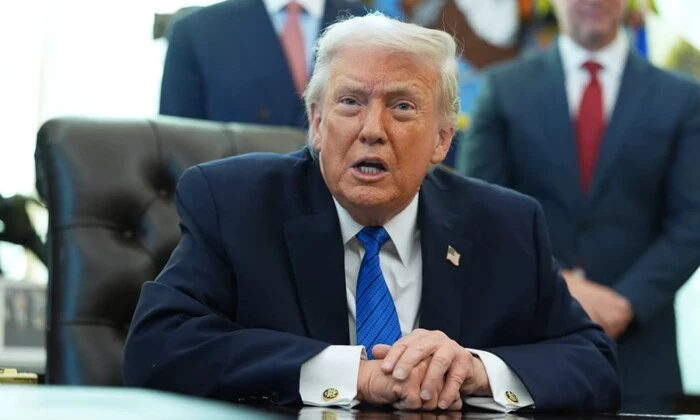
Supreme Court Strikes Down Presidential Emergency Tariffs
According to Главком: In a landmark decision on February 20, 2026, the U.S. Supreme Court invalidated the emergency tariffs imposed by the administration of Donald Trump, significantly altering trade conditions for numerous nations. The ruling found that the tariffs exceeded the authority granted to the president by Congress under the International Emergency Economic Powers Act (IEEPA). This legal move is part of an ongoing judicial review of executive trade powers. Consequently, countries including China, India, and Brazil benefited from lower tariff rates, while some U.S. allies, notably the United Kingdom and Australia, found themselves in a less favorable position.
Shifts in Trade Rates and Global Impact
Following the court's action, average tariffs on Chinese goods dropped from 32% to 24%, and the overall U.S. effective tariff rate fell to 12%, its lowest level since April of the previous year. For the Asian region, the weighted average rate decreased from 20% to 17%. Furthermore, the removal of special tariffs on fentanyl lifted a tax burden from Canada and Mexico, granting them a short-term advantage.
Simultaneously, the United Kingdom and Australia now face a general rate of 15%, having previously enjoyed a preferential rate of 10%. Japan, which once had an exclusive 15% rate, is now also subject to this baseline tariff. U.S. Trade Representative Jamieson Greer noted that the Trump administration is attempting to introduce new tariffs and is pressuring partners, including the EU, Japan, and China, regarding commitments to purchase American goods.
Donald Trump is expected to visit Beijing for a meeting with Xi Jinping, which could influence future U.S.-China trade relations. According to the Federal Reserve Bank of New York, American businesses and consumers bore nearly 90% of all import levies in 2025. Analysts at Morgan Stanley believe the 'peak of uncertainty has passed,' potentially signaling a stabilization of trade relations in the region.
The Supreme Court's overturning of the emergency tariffs represents a significant step toward stability in international trade, as the reduction in rates may foster improved economic relations between the U.S. and other nations. This decision is likely to affect supply chains, consumer prices, and the overall economic climate, particularly in Asia. Forthcoming negotiations between the U.S. and China could set the course for future trade policy, a development with implications for both countries and the global market as a whole.

Read also