US Supreme Court Overturns Trump Tariffs, Raising Questions for Global Trade

Trump's Tariffs Struck Down by the Court
According to Главком: In a landmark decision, the U.S. Supreme Court has invalidated the sweeping tariffs imposed by former President Donald Trump, triggering a major shift in global trade policy. On February 20, the court ruled that the extensive tariffs, enacted under the International Emergency Economic Powers Act (IEEPA), were unlawful. This ruling forced President Trump to sign a new executive order, instituting a temporary global tariff of 15% on all imports, which is the maximum level permitted under the 1974 Trade Act.
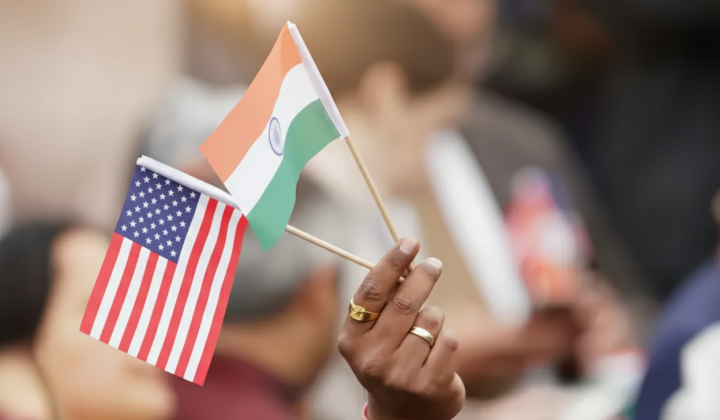
The overturning of the previous 25% tariffs, which were initially levied due to India's purchase of Russian oil, has caused New Delhi to postpone a delegation's visit to Washington. That trip was intended to finalize a provisional trade agreement. The U.S. had previously promised to reduce punitive tariffs on India from 25% to 18%. Under the framework of the proposed deal, India had committed to purchasing $500 billion worth of American goods over a five-year period.
Economic Relations in the Balance
The Supreme Court's decision to strike down Trump's global tariffs was passed by a six-vote majority, with the opinion authored by Chief Justice John Roberts. He was joined by the court's liberal justices as well as two Trump appointees from his first term, Neil Gorsuch and Amy Coney Barrett. This ruling underscores the judiciary's significant role in shaping U.S. trade and foreign policy.
Notably, India's planned $500 billion procurement from the U.S. was to include items such as:
- Energy resources
- Aircraft
- Aviation parts
- Technology products
- Precious metals
In return, Indian exports like textiles, pharmaceuticals, and jewelry were to gain preferential access to the U.S. market. The recent tariff policy changes are therefore poised to significantly impact global trade flows and the economic relationship between the United States and India.
The removal of these tariffs could lead to a reset in U.S.-India economic relations, potentially strengthening bilateral trade.
A critical factor is that both nations share a common interest in cooperation, especially amid current global economic challenges. This Supreme Court verdict highlights the profound influence of the legal system on trade policy, a development that may have long-term consequences for international commerce and economic stability worldwide.

Read also