US Supreme Court Rules Trump-Era Tariffs Unlawful, Potentially Reshaping Global Trade

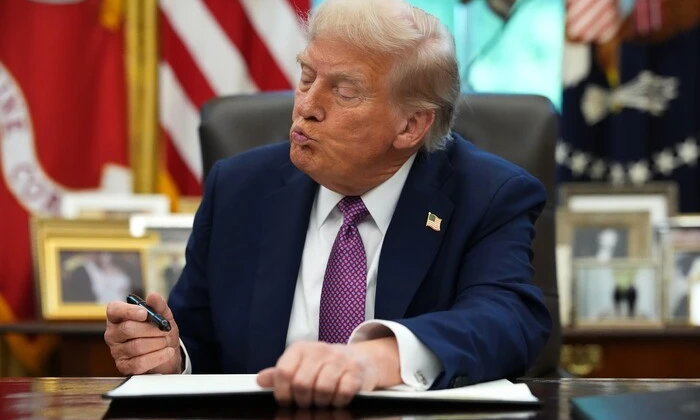
US Supreme Court Strikes Down Trump's Tariffs
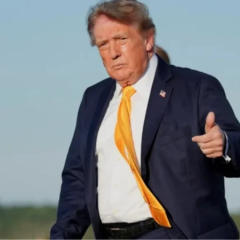
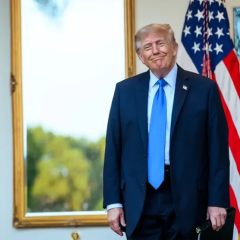
According to Главком: The US Supreme Court has ruled that tariffs imposed by former President Donald Trump were unlawful, a decision with potentially significant consequences for world trade. The court found that Trump violated federal law by unilaterally imposing duties on numerous countries, stating that these tariffs exceeded statutory limits. The new global tariffs, which took effect on February 24, were the subject of this legal review. This ruling directly challenges the scope of presidential authority in trade policy.
Impact on Global Trade and Tariff Policy
An official White House order calls for an increase in the global tariff rate to 15%, though a schedule for implementing this higher levy has not yet been determined. Trump initially implemented a 10% base charge under Section 122 of the Trade Act of 1974, which allows a president to impose such tariffs without prior congressional approval for up to 150 days. This legal framework is central to understanding the court's decision on executive overreach.
The tariff situation has already strained US relations with key trading partners. Specifically, the European Union and India have suspended ongoing trade negotiations in response to the new duties. The Supreme Court's decision underscores the legal constraints on presidential actions in international trade and could alter the dynamics of global economic relations.
The US Supreme Court ruling may lead to a reassessment of the nation's tariff policy and trade relationships, as it highlights the necessity of adhering to legislative norms in the realm of international commerce.
This precedent could also influence other nations considering unilateral tariffs and increase pressure on the US administration to pursue a more transparent and coordinated trade policy. In an era of globalization, ensuring stability in international markets is crucial, a goal that can be complicated by such contentious policy decisions.

Read also