In a Baltic Island Cave, Archaeologists Have Unearthed the Oldest Known Tomb of a Pregnant Girl—9,500 Years Old

The Discovery
According to НВ — Техно: A team from Uppsala University has found the remains of a pregnant adolescent and her unborn child inside a narrow side chamber of the Suder-Vagnhus cave on the island of Lilla Karlse, which lies in the Baltic Sea. The burial is between 8,000 and 9,500 years old, placing it among the most ancient known graves of a pregnant woman where fetal bones have been preserved. Inside the girl's abdominal cavity, archaeologists identified fetal remains that had reached a developmental stage corresponding to roughly 32–34 weeks of gestation, or the third trimester.
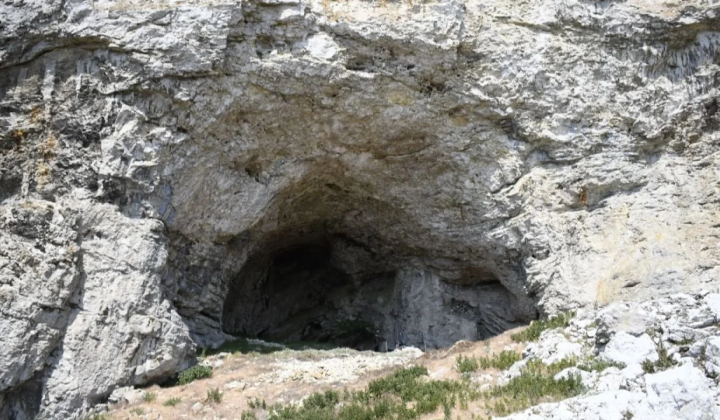
The young woman, estimated to have been 14–19 years old, had been laid on her side with bent knees-a pose often called the "hocker" position. The child's head was already positioned as if for birth, suggesting that labor was imminent at the time of death. Such tiny and delicate bones rarely survive for millennia, making this a remarkable archaeological find. The remains were hidden in a narrow lateral grotto of the cave, whose entrance measures 18 by 18 meters.
Additional Findings and Research
Alongside the main burial, the team found bone fragments from at least one or two more individuals, including a small child. The natural hollow appears to have served as a ritual burial site. Excavation is still underway, and researchers are preparing radiocarbon dating and DNA analyses that could yield additional details about the find.
This discovery adds significantly to our understanding of social and cultural practices among Paleolithic people. A grave containing a pregnant woman may illuminate ancient attitudes toward women and motherhood, as well as rituals surrounding birth and death. Further study of the remains may also supply new information about the genetics and diseases of the population from that era, helping researchers trace human evolution and environmental adaptation.
This remarkable discovery in the Baltic not only sheds light on ancient burial practices but also parallels other significant archaeological finds across Europe. For instance, a rare child burial with an iron sword unearthed in France provides insights into cultural attitudes towards death and the afterlife, emphasizing the importance of these findings in understanding prehistoric societies.

Read also