Elections during war are impossible: why Marynovych and the Rada are categorically against


Elections in Ukraine during war
According to Главком: Elections in Ukraine during war are impossible due to security and democratic aspects, as confirmed by Myroslav Marynovych, vice-rector of the Ukrainian Catholic University, and representatives of the Verkhovna Rada. In the conditions of aggressive war by Russia, Marynovych categorically expresses his position on the inadmissibility of holding elections. He stated:
"I personally, as a citizen of Ukraine, am categorically against elections during martial law." - Myroslav Marynovych
The representatives of the Verkhovna Rada also support this point of view. Speaker Ruslan Stefanchuk emphasized the importance of considering both security and democratic aspects in this matter. Davyd Arakhamia stressed the need to expedite work on the legislative framework, pointing to the risk of delaying the process if active measures are not taken.
Position of Ukrainian officials
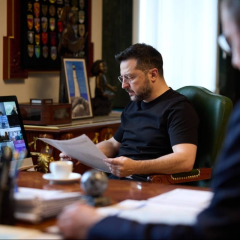
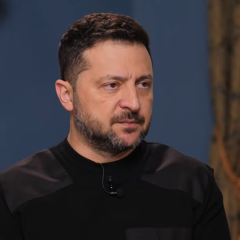
President of Ukraine Volodymyr Zelensky stated that the country is politically ready for democratic processes. However, he also noted that Russia has already launched an information campaign that complicates the situation. Thus, the position of Ukrainian officials regarding the holding of elections during war remains unequivocal: the current situation does not allow for the implementation of democratic procedures.
In summary, it is worth noting that the security situation in Ukraine remains critical, making the holding of elections during war impossible. The opinion of Ukrainian officials, including the president, underscores the importance of maintaining stability and security in the context of external aggression, as disinformation campaigns can significantly affect democratic processes. Thus, the issue of elections remains open for the future, but currently, it is secondary in the context of national security.

Read also