The $438 Billion Global Cost of Worker Disengagement and How to Reverse It

A Worldwide Economic Challenge: Employee Disengagement
According to Achievers: Employee disengagement has escalated into a critical global economic issue, resulting in an estimated $438 billion in lost productivity. According to Gallup's State of the Global Workforce Report, a mere 21% of the world's employees feel engaged in their work. This alarming statistic underscores an urgent need to understand the root causes of this disconnect and to develop effective strategies for rebuilding engagement. This trend poses a significant threat to organizational health and economic output worldwide.
Key Drivers Behind Employee Disconnection
The primary factors fueling employee disengagement include:
- ineffective leadership,
- a lack of recognition and appreciation,
- limited opportunities for career advancement,
- unclear job expectations,
- excessive workload and burnout.
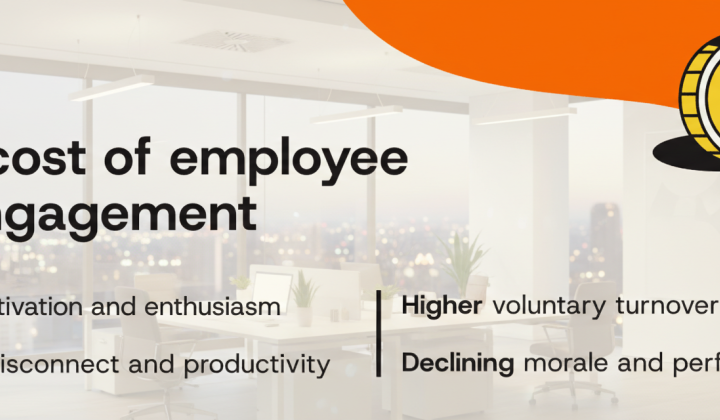
Consequently, disengaged employees lose motivation and enthusiasm, team cohesion suffers, and staff turnover increases. This ultimately erodes team morale and overall productivity.
Research from the Achievers Workforce Institute (AWI) revealed that 63% of employees who receive meaningful recognition at least monthly rarely consider looking for a new job. Therefore, acknowledging contributions can be a pivotal element in combating disengagement. Recommended actions include:
- holding regular, supportive one-on-one meetings,
- asking open-ended questions about feelings of alienation,
- creating clear employee development plans,
- emphasizing the importance of inclusivity and work-life balance.
Furthermore, recognition must be timely, specific, and personal. Balancing top-down recognition with peer-to-peer appreciation, and linking recognition to company values and growth, can help rebuild trust within teams. Using recognition as a starting point for constructive feedback is an additional step toward fostering a more engaged and motivated workforce.
In today's global economy, where competition for talent is intensifying, organizations must prioritize employee engagement. Implementing effective recognition and support strategies can not only reduce productivity losses but also create a more positive work environment, which in turn helps lower burnout rates. Addressing the core issue of disengagement can be a decisive factor in achieving long-term success for companies across all sectors.

Read also