Ukraine's New Mobilization Rules for Students: Who Qualifies for Deferment from 2026

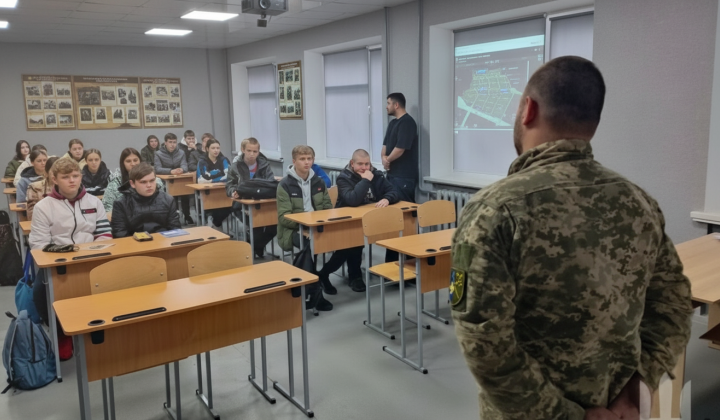
Ukraine Announces New Mobilization Rules for Students
According to ХВИЛЯ: New regulations governing military deferments for students will take effect in Ukraine on April 1, 2026. Under these rules, postponement of mobilization will be granted exclusively to students enrolled in full-time or dual-format programs who are pursuing their first higher education degree. Deferment will also be available to those continuing their studies immediately after completing a previous educational level. Students studying via correspondence (part-time) or distance learning will be subject to mobilization on the same general terms as other citizens.
The right to deferment is stipulated by Ukraine's 'Law on Mobilization Training and Mobilization.' It is crucial to note that this deferral is not activated automatically. Students must personally apply to their local Territorial Recruitment Centers (TCCs) to process the deferment by submitting a current certificate from their educational institution. Specialists emphasize the following conditions:
“A deferral is granted provided the student is enrolled full-time or in a dual format, is obtaining their first higher education, or is continuing their studies after finishing the previous level of education.”
Pursuing a second higher education degree is not a legal basis for receiving a deferment. However, the law allows full-time students to retain their deferment status even after turning 25. Similar exemptions also apply to postgraduate students, doctoral candidates, and interns enrolled in full-time programs. Officials add a critical procedural step:
“Only after verifying this data will the TCC enter it into the register, at which point the deferment will be considered officially processed.”
Potential changes to the age limits for mobilization are currently under discussion in the Ukrainian parliament.
Impact of the New Regulations on the Student Population
The changes to student conscription rules reflect the government's effort to balance national security needs with supporting young people in their education. These new requirements are likely to impact the student population, as restrictions on study formats and age criteria may lead to an increase in the number of conscripts among those studying part-time. The ongoing parliamentary debate about possible adjustments to age limits indicates an active process of adapting legislation to current realities. This policy shift is part of Ukraine's broader legislative adaptation following the full-scale invasion, and it may become a significant factor in shaping the country's national security policy moving forward.
As the new mobilization regulations are set to take effect, understanding the broader context of Ukraine's educational priorities becomes essential. Recently, the Ministry of Culture has adjusted university funding to focus on key professions, which may influence the future landscape of higher education and mobilization policies. This shift highlights the government's ongoing commitment to aligning military and educational frameworks in response to national needs.

Read also