The Battlefield Transformed: How Drones and AI Are Redefining Modern Warfare

Analyzing the Adaptation of Defense Technologies
According to Главком: An examination of defense technology adaptation, drawing on the experiences of Ukraine and the conflict in Iran, reveals a significant advantage held by agile startups over traditional defense giants. The war in Ukraine and recent events in Iran, as noted by Bloomberg, are opening new frontiers in the application of modern technology. In the Middle East, the conflict is being described as the first AI war, where artificial intelligence has reduced the time needed to make a target elimination decision from hours to just 60 seconds. This rapid decision-making cycle represents a fundamental shift in the tempo of combat.
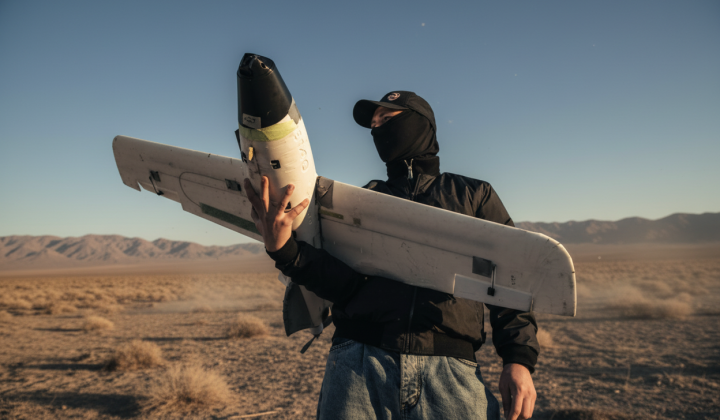
For instance, a drone costing $400 can now destroy a tank worth millions. Unmanned systems are responsible for neutralizing over 80% of enemy targets, underscoring their immense strategic potential. A stark contrast was evident during British military exercises last spring, where 90% of invited experts represented old-school consulting firms, with only a handful hailing from the tech startup sector. This highlights the growing relevance of novel approaches to warfare.
The Pace of Adaptation and Innovation
The speed of interaction within the Ukrainian Armed Forces is remarkable: the journey from a frontline request to an updated firmware or drone design takes less than a month. This enables a rapid response to changes in the combat situation. To support combat units, the Brave1 platform has been created, where over 600 domestic manufacturers offer their solutions. Brave1 can be viewed as a kind of "Amazon for the military," providing access to cutting-edge technologies.
The Ukrainian system has also implemented a points system for confirmed destruction of enemy equipment. Units can earn points, for example:
- 50 for destroying a missile system
- 40 for a tank
and spend them on new equipment. This approach incentivizes units to achieve better results in executing combat missions.
The Pentagon is actively shifting to adapt new technologies, having ordered all units to be equipped with strike drones by the end of 2026. Furthermore, the Pentagon plans to launch its own version of the Brave1 platform, indicating international interest in Ukrainian developments. However, the Pentagon also faces challenges, including a conflict with the AI laboratory Anthropic, which was blacklisted mid-war. This underscores the complex intersection of innovation, ethics, and national security.
The Japanese government is also considering the purchase of strike drones of Ukrainian manufacture, signaling growing global interest in Ukrainian tech. One potential avenue for cooperation could be a bilateral agreement on arms transfers and the protection of technological secrets. As Ukrainian President Volodymyr Zelenskyy noted:
“Soon, and not in the distant future, we will have systems capable of operating even in ocean conditions.”
This situation highlights a paradigm shift in defense technologies, where startups and innovative solutions can prove decisive in modern conflicts. Given the speed of technological adaptation in Ukraine, other nations can learn from this experience to improve their own defense strategies. The international interest in Ukrainian technologies may also point to the possibility of new collaborations in security and defense, potentially altering the global balance of power.
As the conflict in Ukraine highlights the transformative impact of drones and AI in warfare, Ukraine's development of affordable interceptor drones to counter Iranian UAVs exemplifies the rapid innovation taking place on the battlefield. This strategic adaptation not only showcases the agility of defense technologies but also emphasizes the ongoing necessity for advanced solutions in modern conflicts.

Read also