How the Gulf War Ended Russia's Oil Discount and Strengthened Its Position


The Gulf War's Impact on Global Energy Markets
According to ХВИЛЯ: The conflict in the Persian Gulf has dramatically reshaped the global energy landscape, triggering major shifts in oil pricing. Russia has emerged as the primary beneficiary of this crisis, with demand for its crude surging and the discount it once offered evaporating. For context, in February, Russian oil traded at a discount of over $10 per barrel compared to Brent crude. Now, some Indian refineries are being offered Russian crude at a premium of $1 to $5 per barrel.
Geopolitical Shifts and Energy Security Concerns
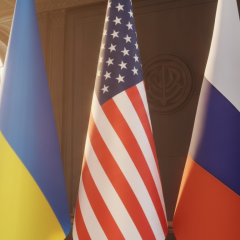
A key driver of this shift has been a U.S. decision to relax certain sanctions restrictions on purchasing Russian oil. This has allowed major importers of Russian crude to continue their operations despite ongoing global political tensions. Russia's position in the energy market is becoming increasingly dominant, a point underscored by Kpler's senior oil analyst, Navin Das, who noted:
“The longer this conflict lasts, the more the world will depend on both Russian crude and Russian oil products.” - Navin Das
Consequently, the Gulf war has not only altered oil price dynamics but has also deepened the global economy's reliance on Russian energy resources. This trend is causing significant concern among analysts and policymakers monitoring the region's developments and their impact on worldwide energy security.
The situation highlights how geopolitical factors are now central to oil price formation. As dependence on Russian energy grows, importing nations may face new challenges in securing their energy supplies. This could lead to a widespread reassessment of energy policies and strategies, as fluctuations in oil supply and pricing directly affect economic stability and political conditions in energy-importing regions.

Read also