Previous Phase of the War in Ukraine Has Reached Its Limit

Shifts in the Ukraine-Russia Conflict
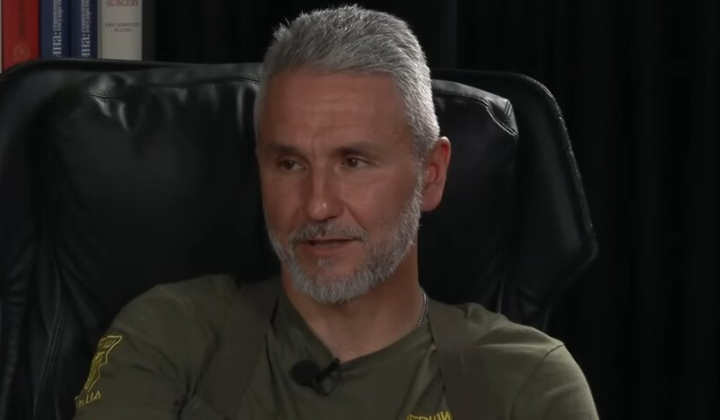
According to ХВИЛЯ: According to Gennadii Druzenko, a military serviceman and international law expert, the fighting has exhausted its earlier form. He argues that Russia's war against Ukraine has reached an internal breaking point, and the current frontline reality shows Ukrainian society united by a shared refusal to be part of Russia. This anti-Russian consensus has brought millions of Ukrainians together.
Meanwhile, the Kremlin has abandoned its original goals of overthrowing the political leadership in Kyiv and imposing a humanitarian agenda. Moscow’s demands have narrowed significantly, now focusing on attempts to capture a few cities in Donbas that remain outside Russian control.
Ukrainian Identity and Kremlin Rhetoric
Druzenko emphasized that the war has proven what unites all Ukrainians is their awareness of their own identity:
“If we talk about the smallest common denominator of Ukrainians today, it is that we are not Russians, do not want to be Russians, and are willing to pay a high price to avoid becoming them.” – Gennadii Druzenko
This reflects a radical shift in Kremlin rhetoric, which now prioritizes capturing specific territories rather than regime change in Ukraine.
This situation highlights significant changes in the strategic approaches of both sides. Ukrainian society, now more unified in its views, has demonstrated a readiness to resist and defend its identity. At the same time, the Kremlin’s reduced ambitions may signal its recognition that earlier plans are unattainable, potentially leading to new phases in the war and shifts in regional international policy.
The evolving dynamics of the conflict have not only reshaped military strategies but also the impact on human lives. As the situation progresses, a shift in casualty dynamics marks a pivotal moment in the war, revealing deeper implications for both Ukrainian resilience and Russian ambitions. Understanding these changes is crucial for grasping the broader context of the ongoing struggle.

Read also