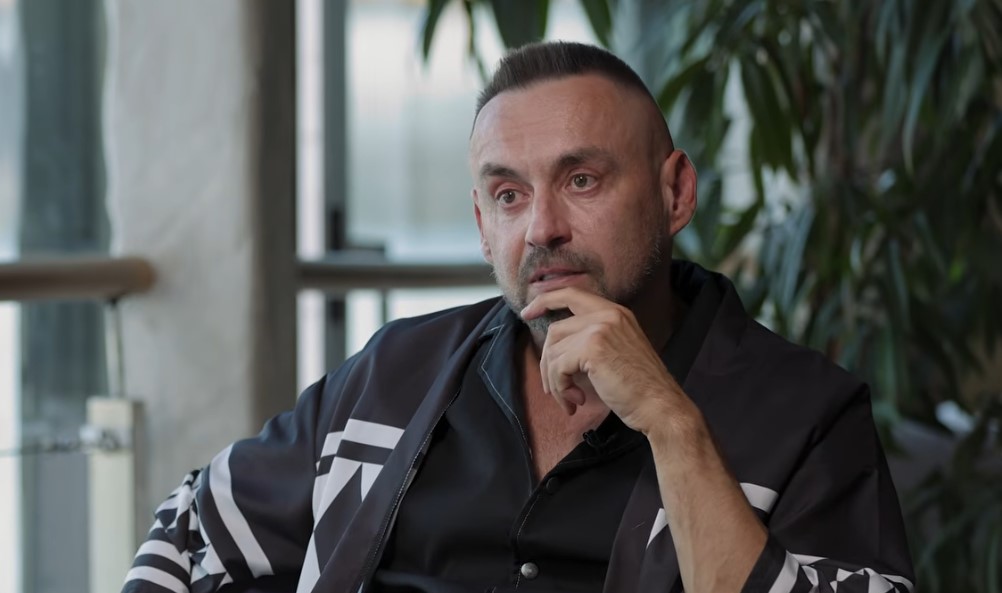
Vitalii Lobach Demands Answers from the Hiha Family Over Copyright for 'Third Toast'

Vitalii Lobach Appeals to Stepan Hiha's Family
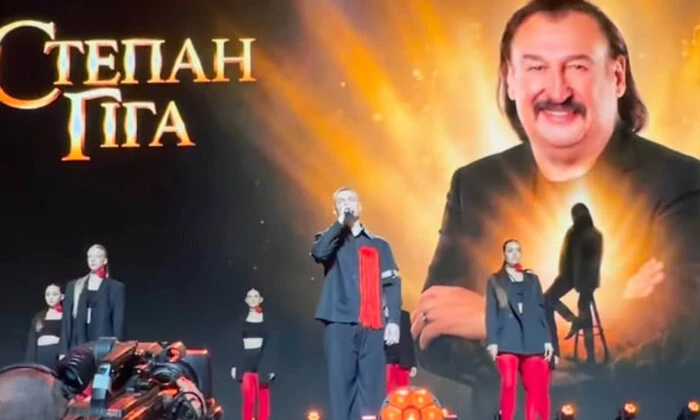
According to Главком: Singer Vitalii Lobach has publicly called out the family of Stepan Hiha over a copyright dispute regarding the song 'Third Toast,' which he performed at a memorial concert in the Palace of Sports. Lobach stated that he invested his own money into preparing the number and the performance, but no clear terms were established for using the song after the event. According to him, no restrictions were mentioned during rehearsals, yet afterward he ran into obstacles when trying to perform the piece.
At the memorial concert for Stepan Hiha, held on March 28 at Kyiv's Palace of Sports, Lobach received assurances from Kvitоslava Hiha that the copyright issue would be sorted out. However, he later learned of a different stance-that his performance was considered a 'gift to the family.'
“That raises a logical question: if it was a gift, why wasn’t I told before the concert, when I was putting in my money, time, and effort?” Lobach emphasized.
Discrepancies and the Need for Clear Rules
Lobach also pointed out that during the same concert, different conditions were applied to other artists regarding song usage.
“I want honest and equal rules for all artists. And I would especially like clear explanations on this matter from Stepan Hiha’s family and representatives. Thank you.”
the singer added. As of now, there has been no response from the Hiha family to his appeal.
For context, Stepan Hiha, a Ukrainian singer, passed away in December 2025. The memorial concert featured over 50 artists, including Artem Pyvovarov and Nikita Kyselov. Kvitоslava Hiha and Stepan Hiha Jr. wrote a tribute song titled 'You Are Our Angel' in honor of their father.
This incident highlights the critical need for clear communication and a solid grasp of copyright in the music industry, especially during memorial events where emotions can blur decision-making. At the same time, conflicts between artists and the families of deceased creators can create tension and raise questions about fairness in using creative works, which requires proper regulation. A response from the Hiha family could clarify the situation and help prevent similar misunderstandings in the future.
This situation underscores the importance of recognizing and honoring the contributions of artists, especially in light of recent posthumous tributes, such as those awarded to the heroes of Ukraine and the late Stepan Hiha in Lviv. These events not only celebrate artistic legacies but also highlight the ongoing discussions about copyright and recognition in the music industry. For more on this topic, read about the posthumous honors given to Ukrainian heroes.

Read also