Ancient Inca Rock Stairs Revealed by Wildfire on Ecuador's Cerro Casitagua

Wildfire Uncovers Archaeological Treasures
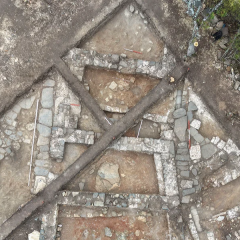
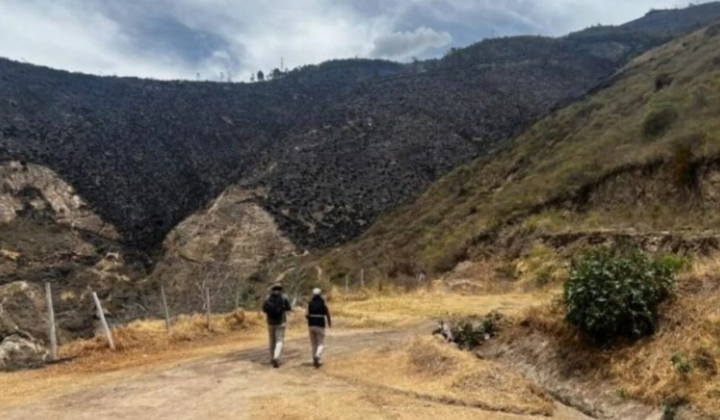
According to НВ — Техно: A recent forest fire on Cerro Casitagua, near Quito in Ecuador, has exposed ancient stone stairs carved into the rock, believed to be associated with the Inca civilization. Following the blaze, which burned from September 17 to 20, archaeologists from Quito’s Metropolitan Heritage Institute surveyed the area’s archaeological sites. The discovery lies close to the pre-Hispanic Radioloma Culunco trail in the Lulumbamba Valley, a region rich in traces of early human activity.
The wildfire affected Cerro Casitagua between September 17 and 20, revealing a previously hidden section of rock-cut stairs. Experts from the Instituto Metropolitano de Patrimonio (IMP) conducted inspections at four key archaeological locations:
- Tagsima
- Barrio Cuba Alto
- Radioloma
- Uyachul
While burned vegetation was noted in Barrio Cuba Alto, the archaeological materials remained intact. At Radioloma, the ancient trail suffered minimal damage, but the newly uncovered rock stairs attracted significant scholarly interest.
Attributing these stairs directly to the Incas remains speculative, as dating results have yet to be released. Nonetheless, the area contains archaeological remains predating the Inca expansion into northern Ecuador. The nearby site of Pomasqui, located north of Quito, played a strategic role during the Inca incursion into the northern Andes. The Incas resettled mitimae communities in the Pomasqui Valley, integrating the region into their political and agricultural systems. Evidence of Quechua-speaking groups relocated during the Inca expansion has also been documented in Pomasqui.
Significance of Regional Archaeological Finds
Close to these sites, Rumicucho is known as an Inca pukara-fortified complexes that controlled movement through the region in the late 15th century. The pukara at Rumicucho managed key interregional routes leading into northwestern Ecuador. Additionally, in 2019, an international team uncovered ceramic fragments dating back approximately 4640 to 4460 BCE, linked to the San Pedro culture, distinct from the Valdivia culture. These artifacts were excavated at Real Alto, found at depths between 75 centimeters and one meter, with radiocarbon dating confirming their age.
These post-fire surveys open new avenues for understanding ancient human presence in the area, offering valuable insights into the Inca civilization’s northern territories.
The uncovering of ancient stone stairs due to the wildfire highlights the critical role of archaeological research in deepening our knowledge of civilizations like the Incas.
This event also illustrates how natural disasters can unexpectedly facilitate scientific discovery by revealing previously hidden artifacts and signs of early human life. Ongoing studies have the potential to shed light on the social and political structures of the Incas and their impact on the broader Andean region.
The recent revelation of ancient Inca rock stairs is not an isolated occurrence; similar discoveries continue to reshape our understanding of pre-Columbian civilizations. For instance, archaeologists have recently initiated a study of a newly uncovered stone complex in Argentina's mountains, which may provide further insights into the architectural and cultural practices of ancient societies. This ongoing research underscores the significance of regional archaeological findings, highlighting the interconnectedness of these ancient sites across South America. To learn more about this fascinating discovery, visit the exploration of a newly discovered stone complex.

Read also