Romania yields its first evidence of Neanderthal bone implements

Neanderthal Bone Tools Unearthed in Romania
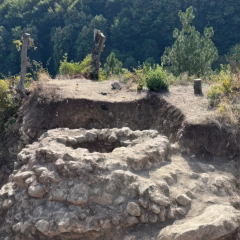
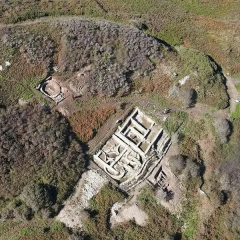
According to НВ — Техно: For the first time in Romania, researchers have uncovered proof that Neanderthals made and used tools from bone. The artifacts were recovered at Abri 122/1200, a cave site in the Vârghiș Gorge, an area of archaeological significance tied to the Middle Paleolithic, when hominins occupied the region roughly 230,000 to 60,000 years ago. The findings have been published in the Journal of Quaternary Science.
Excavation and Artifacts
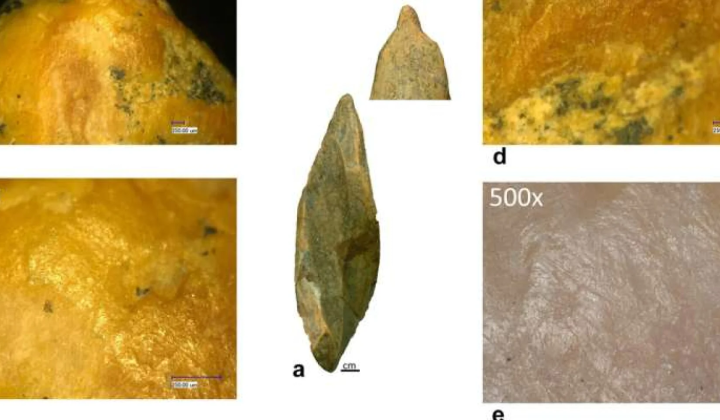
During archaeological work, more than 10,000 bones were recovered, yet only 83 showed clear evidence of having been used. These items have been grouped by likely function:
- sharpening stone implements
- working hides and plant materials
- splitting or wedging objects
- a pair of bones that served as hammers
The team also crafted their own bone tools by recreating Neanderthal techniques and compared the replicas with the ancient artifacts.
“I do not want to be overly critical of past archaeological methods, but in many cases only the larger or more complete bones were recovered.”
Stefan Vasile
Vasile stressed that the use of bone tools, including small ones, for a broad range of tasks points to clear inventiveness and intelligence, as well as a degree of cognitive complexity that many people still find hard to accept.
Neanderthals were already known to have employed bone tools across a zone stretching from France to the Crimea at roughly the same period. Earlier research also reported that Neanderthals and modern humans in Turkey used comparable stone tools and gathered identical shells over some 20,000 years. The Romanian finds add a new layer to this picture and expand understanding of early human technological evolution.
These artifacts may substantially reshape how Neanderthals are viewed, supporting the idea that they were far from primitive. The bone implements reveal notable resourcefulness and adaptability, while the discovery itself highlights the need for close examination of archaeological collections, since earlier approaches may have missed much of the tool diversity left behind. It also points to promising avenues for future study.

Read also