Russia Has Suffered a Strategic Defeat in the Black Sea, Says Ukraine's Former Top General

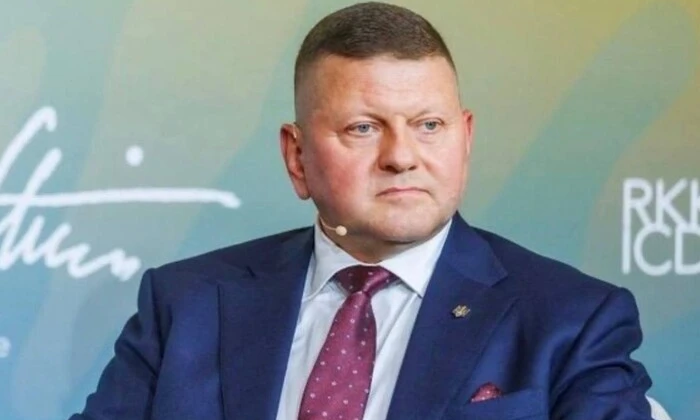
Valeriy Zaluzhnyi on the Azov-Black Sea Region
According to Главком: In a recent analysis for Interfax-Ukraine, Valeriy Zaluzhnyi-Ukraine's former Commander-in-Chief and current ambassador to the United Kingdom-argued that the Azov-Black Sea region has become the critical theater where Russia has experienced a strategic loss. He also took Western nations to task for lacking a coherent strategy in the area and urged closer integration of Ukraine into Euro-Atlantic institutions. This assessment comes amid ongoing debates about the effectiveness of international support for Kyiv.
According to Zaluzhnyi, the Kremlin had long viewed the Black Sea as a strategic launchpad for its ambitions in the Mediterranean, the Middle East, and Africa, with the Black Sea Fleet serving as the logistical backbone of Russian expansion. However, he noted that Ukraine managed to leverage cutting-edge technologies-particularly naval drones-to upend the balance of power.
“Through our decisive actions and an unprecedented use of new capabilities, Russia not only failed to cut Ukraine off from the Black Sea but also, under these circumstances, lost nearly all ability to claim dominance in the region. The fact that Moscow still controls the Sea of Azov and maintains a land corridor to Crimea is merely a temporary, formal historical episode,”
he stated.
Innovation and Security in the Black Sea
Zaluzhnyi emphasized that Ukraine's innovative naval drone solutions have effectively compensated for the technical limitations of a traditional fleet. He also underscored the importance of Black Sea security, declaring:
“Security in the Black Sea and across the entire Azov-Black Sea region will depend on building a real counterweight to the challenges and threats we face-chief among them being the need to prevent Russia from ever dominating this area again,”
Zaluzhnyi said.
His criticism of the West-specifically NATO and the European Union-centered on their lack of a clear strategy, which he said has created a strategic vacuum. Zaluzhnyi also raised the risk of the Bosphorus Strait being reopened, a move that could dramatically alter the regional dynamics. Furthermore, he pointed out that China is expanding its footprint in the Black Sea area and that Beijing's support is helping Russia sustain its economy despite Western sanctions.
Zaluzhnyi's remarks highlight the urgent need to ramp up international backing for Ukraine and to accelerate its integration into Euro-Atlantic frameworks, particularly in light of ongoing threats from Russia. Recognizing the strategic importance of the Azov-Black Sea region in modern geopolitics is essential for crafting an effective defense strategy and ensuring stability in the area. A robust Western response-through joint initiatives and clear policies-could fundamentally shift the situation on the ground.
As tensions escalate in the region, the implications of military activities are becoming increasingly evident. Recent developments, such as forest closures near the Ukrainian border in Belarus, highlight the broader security concerns that stem from Russia's strategic setbacks. These actions may signal a shift in military posturing that could further complicate the geopolitical landscape.

Read also