Sanctions Against Russian Defense Industry Supporters Extended by Zelensky

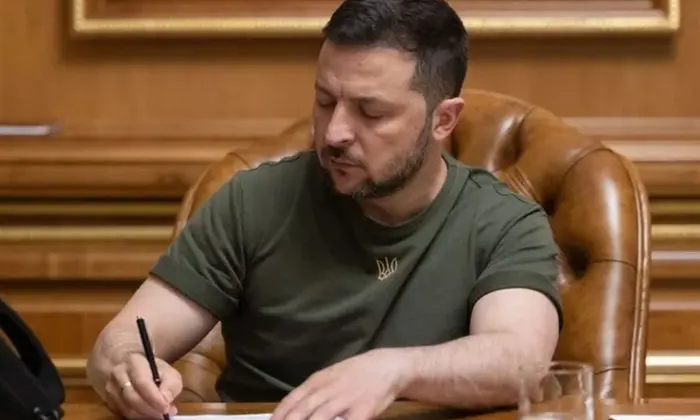
New Sanctions Signed by Ukraine's President
According to Главком: Volodymyr Zelensky, Ukraine's head of state, has enacted decrees that prolong punitive measures targeting entities providing services to Russia's military-industrial complex, while also unveiling fresh sanctions against collaborators. The second batch of restrictions includes 67 individuals and one corporate entity. Kyiv plans to share details of these penalties with international allies to align enforcement across various jurisdictions.
Who Is Targeted
The extended sanctions focus on companies and their founders involved in manufacturing and upgrading Russian firearms, developing drones and data-sharing systems, and supplying meteorological as well as IT support for Russian aviation. The latest package names those holding senior roles in occupation administrations, including so-called ministers, lawmakers, and judges.
- Raisa Prylypko, a kindergarten director who assisted in abducting and illegally relocating children from temporarily occupied areas of Donetsk region to Russia.
- Ivan Dotsenko, head of the agricultural firm 'Myr', who urged business owners and farmers in Kherson region to serve the enemy.
- The enterprise 'Soyuzmetalservis', which keeps illegally seized metallurgical, coke-chemical, and coal operations running in Donetsk and Luhansk regions.
Vladyslav Vlasiuk, a representative of Ukrainian authorities, stressed that 'anyone aiding Russia in its war against Ukraine-on the battlefield, in the offices of occupation administrations, or in the information space-must be ready for new sanctions. The pressure from sanctions on such individuals will only increase, both in Ukraine and in other countries around the world.'
Notably, France and Italy have raised objections to certain provisions of the European Union's new 21st sanctions package against Russia. Paris and Rome opposed a mechanism that would ban former Russian military personnel from entering the EU, highlighting the challenges of coordinating international sanctions policies.
These measures are part of Ukraine's broader strategy to intensify pressure on individuals and companies backing Russian aggression. A key element of this effort involves working with international partners to synchronize actions against collaboration and support for Russian forces. The current sanctions landscape underscores not only domestic hurdles but also the need for unity among Western allies in confronting Russian hostility.
In light of these developments, it is crucial to understand the broader implications of Ukraine's sanctions strategy. For instance, recent measures targeting Russian propagandists and judges further illustrate Kyiv's commitment to countering support for the aggressor, highlighting the interconnectedness of these punitive actions.

Read also