Saint Blaise Day: February 11th Honors a Patron of Livestock and Throat Ailments

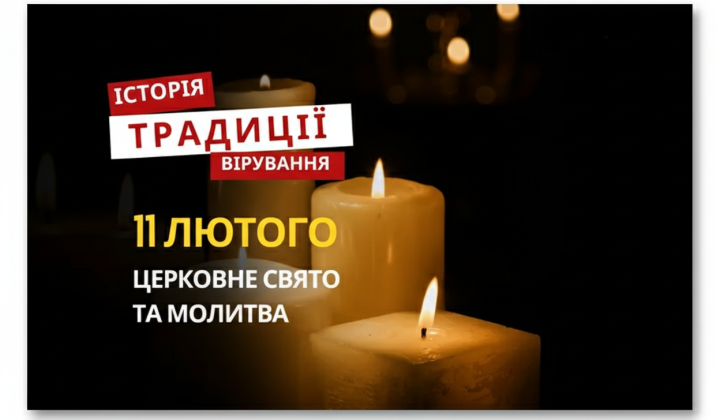
Commemorating Saint Blaise, the Martyr of Sebaste
According to Главком: On February 11th, the Orthodox Church honors the memory of Saint Blaise, a bishop and martyr from Sebaste. This observance has deep roots in Christian history, as Saint Blaise lived in Asia Minor during the transition from the 3rd to the 4th century. His life and martyr's death, which occurred in 316 AD during the persecution of Christians under Emperor Licinius, have served as a powerful symbol of faith for generations.
Traditions and Folk Beliefs
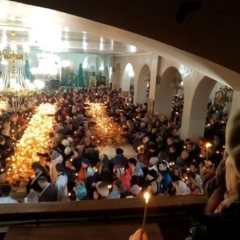
Within Ukrainian tradition, Saint Blaise is venerated as a patron of physicians, a protector against throat illnesses, and a guardian of domestic animals. The day is marked by special prayers seeking his intercession and aid in healing. This veneration of Saint Blaise remains a significant part of the spiritual life for many believers who trust in his assistance.
Beyond its religious significance, Saint Blaise's Day is connected to various folk beliefs and omens. For instance, a thaw on this day is thought to foretell an early and warm spring. Large icicles on rooftops promise a good harvest of corn and sunflowers. If snow falls in large flakes, a warming trend is expected soon, while a severe frost on this day may indicate a dry and hot summer ahead.
Thus, February 11th is an important date not only for Orthodox faithful but also for those who follow folk traditions. The feast day blends religious and cultural elements, making it meaningful for many people. In Western Christian traditions, Saint Blaise is also known for the blessing of throats, often celebrated on February 3rd.
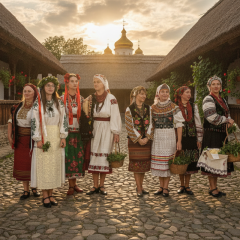
The commemoration of Saint Blaise reflects the deep traditions of the Ukrainian people, which intertwine religious beliefs with folk customs.
This feast serves as both a spiritual guide for believers and a significant marker in the rural calendar, influencing perceptions of agricultural work and seasonal changes. Therefore, Saint Blaise's Day remains relevant in both religious practice and the daily life of communities.

Read also