Trump Administration Hands Europe Ukraine Recovery Plan: $100 Billion from Russian Assets

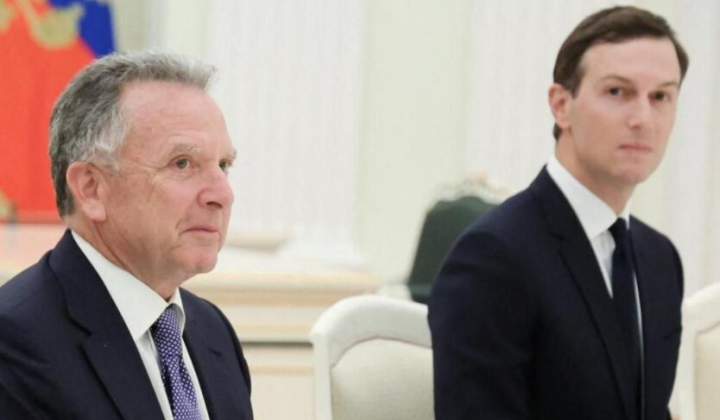
Secret Plan for the Reconstruction of Ukraine
According to ХВИЛЯ: The Trump administration has provided European partners with secret documents outlining a plan for the reconstruction of Ukraine and the reintegration of Russia into the global economy. This includes access to frozen Russian assets, as well as the ability for American companies to invest. As part of this plan, $100 billion from Russian funds is set aside for the recovery of Ukraine. American financial firms will gain access to approximately $200 billion in frozen Russian assets, which could significantly impact the economic situation in the region.
Skepticism of European Leaders
German Chancellor Friedrich Merz expressed skepticism regarding the American proposals, stating:
“I am skeptical about the proposals from the U.S.” - Friedrich Merz
This highlights existing doubts among European leaders regarding the effectiveness of the Trump administration's plans. Meanwhile, the European Parliament and the governments of EU member states have adopted legislative agreements to phase out Russian pipeline gas over two years, reflecting the desire of European countries to reduce dependence on Russian energy resources.
In the context of the economic situation, it is worth noting that Russia has technically been in recession for six months. The current secret additions to the plan are developments of the 28-point plan from the Trump administration. However, against the backdrop of these developments, the EU has reduced its loan plan for Ukraine from $186 billion to $105 billion, raising additional questions about financial support for Ukraine's recovery.
One U.S. official noted:
“We really understand financial growth.”
This may indicate confidence in the potential for implementing the proposed initiatives. Nonetheless, given the varying opinions and economic circumstances, the realization of the Ukraine recovery plan may pose a challenging task for all parties involved.
These events reflect the complex international political situation in which Ukraine needs to strike a balance between receiving financial assistance and adapting to new economic realities. The reduction of financial support from the EU may complicate the country's recovery, which has already suffered significant losses due to the conflict. At the same time, skepticism from European leaders regarding American initiatives may signal the need for closer cooperation among European countries to address common challenges.

Read also