New EU Entry-Exit System Brings Airport Chaos and Hours-Long Lines

Border Control Gridlock: How the EES Is Disrupting EU Airports
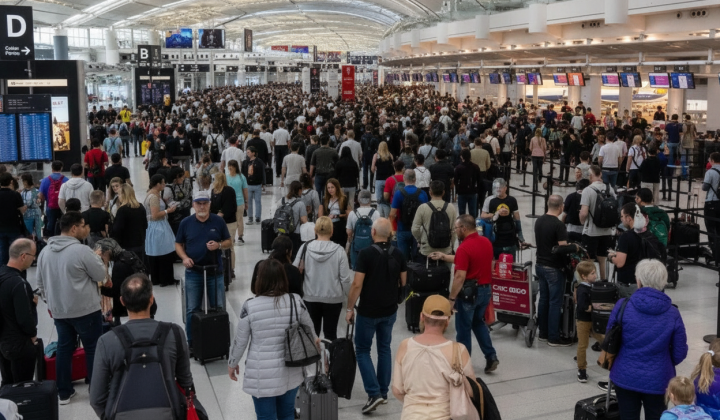
According to Главком: The rollout of the European Union's new Entry/Exit System (EES) has triggered massive delays at airports across the bloc, with queues stretching for hours and forcing some flights to depart with empty seats. The system became operational at the EU's external borders on April 10, 2026, following an initial implementation phase that began on October 12, 2025. The lengthy border checks have caused numerous passengers to miss their flights, leading to partially filled planes.
Hardest-Hit Airports and Airline Responses
Among the worst affected are Tenerife South, Palma, Alicante, Malaga, Milan-Bergamo, Krakow, and Paris-Beauvais airports. During peak hours, wait times at passport control can reach up to five hours. Aletta von Massenbach, head of Berlin Airport, reported that non-EU travelers currently face waits of up to two hours.
“The situation is unbearable for air travel,” she added.
Ryanair has urged EU governments to postpone the full-scale launch of the EES until the end of summer. The airline's Chief Operations Officer, Neal McMahon, voiced strong concerns, stating:
“Passengers and families should not be treated as guinea pigs for a half-finished passport control system that threatens long queues, missed flights, and added stress this summer.”
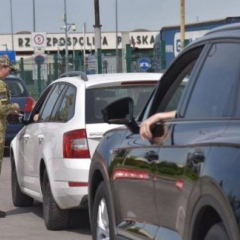
The core issue stems from each EU member state operating its own subsystem, which results in poor interoperability. At the UK's Port of Dover, French authorities handle border control. A new zone equipped with 84 kiosks for fingerprinting and photographing travelers has been installed there, but the machines remain non-functional because the French side is responsible for the technical setup.
The delays are also causing significant financial strain on travelers. For instance, a British family missed their flight due to a holdup in Rome and had to pay an extra £250 for replacement tickets. A high-level meeting on the EES situation was held in Brussels on Wednesday, and the European Commission is scheduled to meet with aviation industry representatives next week. Doug Bannister, CEO of the Port of Dover, warned that
“time is running out, and the next six weeks of summer could be extremely challenging.”
Industry groups including Airlines UK, Airlines for America, ACI Europe, and Jet2 have all criticized the pace of the EES implementation and called on the European Commission to establish contingency measures. The problems are most severe in countries that have failed to provide enough border guards, infrastructure, and equipment.
While the EES is designed to modernize border control across the EU, the current rollout difficulties highlight an urgent need for process review and improvement. The widespread queues and delays threaten to disrupt the peak tourist season and damage the reputation of European air travel. The upcoming meeting between the European Commission and aviation stakeholders may prove critical in addressing these issues and preventing future disruptions.
The ongoing disruptions at airports are not just isolated incidents. As highlighted by Ryanair's warnings of potential flight delays across seven airports, the new EU passport control system is causing widespread concern among travelers. The operational challenges faced by various airports indicate a pressing need for a unified approach to border control that minimizes delays and enhances the travel experience.

Read also