How to receive additional cash assistance for IDPs with continuous work experience

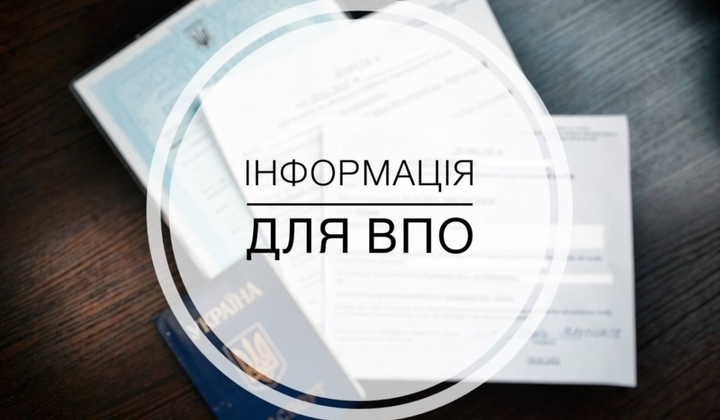
Internally displaced persons (IDPs) in Ukraine have received a new support tool: a one-time payment of 2000 UAH for six months of continuous work. This government initiative aims to stimulate the employment of displaced persons adapting to life in new communities. Assistance is available for those working under an employment contract or as individual entrepreneurs. This is reported by AgroReview.
Who is eligible for additional cash assistance for IDPs
IDPs who, after relocation and receiving standard state housing assistance (6 months), continue to work or open their own businesses, are eligible for the payment.
Under what conditions can IDPs receive additional cash assistance
The conditions are simple yet clear:
- Continuous employment for 6 months after receiving state assistance;
- Employment under an employment contract or registration as an individual entrepreneur by the end of this period;
- Submitting an application through the mobile application «DiiA» after completing the six-month period.
The payment amount equals the monthly assistance for adult IDPs' housing – 2000 UAH. This is a one-time support that does not depend on the category of the displaced person but requires confirmation of employment activity.
The application is processed through «DiiA», simplifying the process: just log in, fill out the form, and wait for a notification. For those already employed, this is an additional motivation to remain active in the job market.
As of 2025, over 4.9 million displaced persons are registered in Ukraine, but standard housing assistance is only extended after six months to vulnerable groups – pensioners, people with disabilities, large families. The new payment is designed to encourage economically active IDPs, reducing their dependence on the state. According to the Ministry of Social Policy, in 2024, 35% of displaced persons were employed, and 10% opened individual businesses. Experts predict that the initiative will cover up to 100,000 people by the end of 2026 if the economy stabilizes.

Read also