Arctic Sea Ice Shrinks to 4.6 Million km², Marking the Tenth Lowest Level Since 1978

Current Status of Arctic Sea Ice
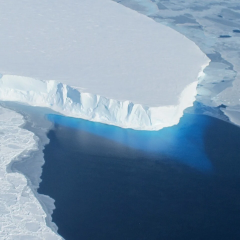
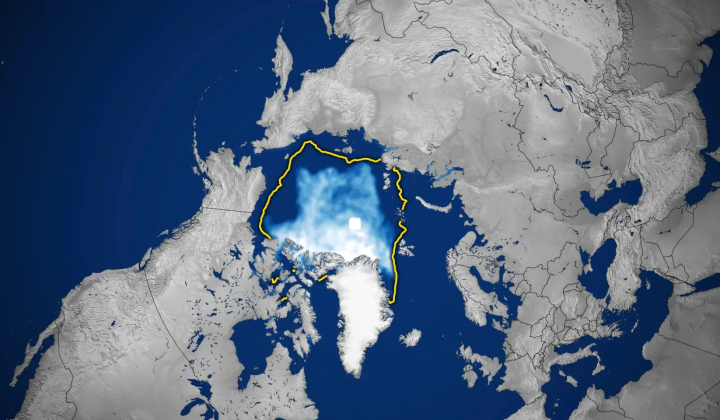
According to НВ — Техно: On September 12, 2026, the Arctic sea ice coverage was measured at 4.6 million square kilometers, ranking as the tenth smallest extent since satellite monitoring began in 1978. This figure matches the ice extent recorded in 2008, 2010, and 2025. Every summer season from 2007 through 2026 has fallen within the twenty lowest September ice extents on record. The smallest sea ice area ever recorded was in September 2012.
The Arctic ice cap is shrinking not only during summer but also winter, with the ice becoming thinner and younger. Although the pace of summer ice loss has slowed over the past decade, the overall ice coverage remains substantially below historical averages. Increased cloud cover over the Arctic reduces the amount of sunlight reaching the ice surface, which also influences ice conditions.
Trends and Future Outlook
In March 2026, the Arctic sea ice reached its annual peak extent, equaling the record low maximum observed in March 2025. The region is experiencing a decline in multi-year ice-ice that has survived at least one summer melt season-while the proportion of thinner, first-year ice is rising. This younger ice melts more quickly during warmer months. Rising global temperatures are the primary driver behind the ice loss. Arctic oscillations affect temperature, wind patterns, and ice conditions but do not account for the long-term decline.
Projections indicate the possibility of nearly ice-free summers in the Arctic Ocean occurring at least once by the middle of the 21st century. Measurements of ice extent rely on satellites equipped with microwave sensors, which can penetrate cloud cover and operate under various weather conditions. Data from U.S. and Japanese satellites are combined to provide accurate assessments of Arctic ice status.
The reduction of Arctic sea ice has significant environmental and climatic repercussions, influencing global weather patterns, sea level rise, and regional biodiversity. As sea ice diminishes, the darker ocean surface absorbs more solar radiation than reflective ice, further accelerating warming. These developments highlight the urgent need for effective climate action to mitigate ongoing and future impacts.
The ongoing changes in the Arctic are not isolated events; they reflect broader trends in global climate dynamics. For instance, recent studies indicate that the melting of Antarctica’s glaciers could significantly impact sea levels, potentially raising them by 30mm by 2100. Understanding these interconnected phenomena is crucial for grasping the full implications of ice loss in polar regions.

Read also