Melting of Antarctica’s Thwaites Glacier Could Raise Sea Levels by 30mm by 2100—Double Previous Estimates

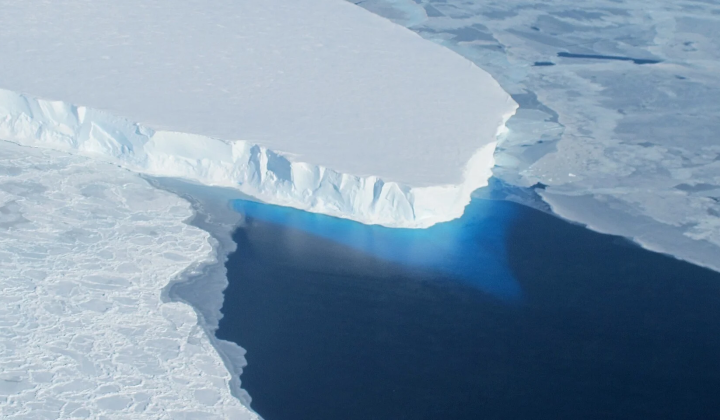
The Rising Impact of Thwaites Glacier Melt on Global Sea Levels
According to НВ — Техно: New research reveals that the Thwaites Glacier in Antarctica is melting at a rate that could increase global sea levels by as much as 30 millimeters by the year 2100-twice the amount earlier projections suggested. This dramatic revision is due to the discovery of a broad interface where warm ocean waters come into contact with the glacier’s base, accelerating ice loss and the glacier’s retreat from underwater ridges.
Breakthrough Research and Updated Insights
An international team of glaciologists from the University of California, Irvine, and NASA’s Jet Propulsion Laboratory conducted the study that reshaped our understanding of the glacier’s physical dynamics. Contrary to previous assumptions, climate warming itself was not identified as the primary driver of these changes. Earlier models underestimated the extent of the glacier’s contact with the seafloor, focusing narrowly on a limited interaction zone.
Satellite data from Israeli and Finnish research teams uncovered a significantly wider interaction zone between the ice and warm ocean water. ICEYE’s synthetic aperture radar satellites recorded fluctuations spanning kilometers in this contact area. During tidal cycles, pressurized warm water reaches several kilometers beneath the glacier, triggering intense ice movement and causing the glacier to detach rapidly from underwater formations such as the Muzino Ridge.
These findings suggest a heightened threat of coastal flooding and shoreline erosion over the coming decades. Accurately accounting for the complex physical processes beneath glaciers is essential to refining predictions about the consequences of global climate change. The updated model from this research opens new avenues for understanding how glacier melt contributes to rising ocean levels.
These results emphasize the urgent need to revise sea level rise projections, as traditional models may not accurately represent current realities.
Given these new insights, scientists and policymakers must prioritize addressing the increased risks of flooding and coastal degradation. This information is critical for developing adaptive strategies aimed at mitigating the adverse effects of climate change on human populations and fragile coastal ecosystems worldwide.
The implications of melting glaciers extend beyond Thwaites, as evidenced by recent studies on the Wilkes Subglacial Basin, which could lead to a staggering rise in sea levels by 3 to 4 meters. Understanding these interconnected dynamics is vital for grasping the full scope of climate change impacts on our coastlines.

Read also