Airlines Urge Suspension of EES System as Border Queues Hit Five Hours

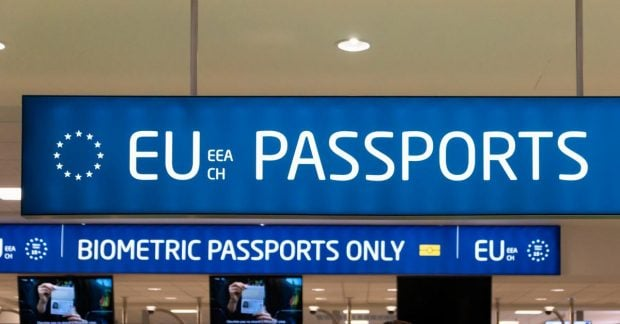
Push to Halt the EES System
According to УНІАН — Туризм: Carriers and airport operators are demanding a suspension of the EES system due to severe border control delays that have resulted in queues lasting up to five hours. This has forced airlines to operate flights with many empty seats, as passengers remain stuck in line. The Entry/Exit System was introduced across 29 countries on April 10, 2025, but its rollout has already created major hurdles for travelers.
On July 1, a coalition of airports and airlines sent a joint letter to European Commission President Ursula von der Leyen, calling for the system to be scrapped by the end of summer. The document highlights that during peak periods, waiting times at border checkpoints have stretched to five hours, severely impacting passenger service and operational efficiency.
Challenges in Deploying the EES System
Designed to digitally register short-term visitors from non-EU countries, the EES eliminates the use of physical passport stamps. Travelers must scan their passports, provide fingerprints, and have their facial images captured at the border during their first registration. Although the system began its phased rollout in October 2024, full implementation took effect on April 10, 2025. Despite these innovations, the system has already caused massive queues at airports in Spain and Portugal since late last year.
In their statement, the carriers noted:
“Passengers are already forced to wait in long lines near terminals and on open tarmacs because border control points cannot process the flow quickly enough. Airlines are seeing half-empty planes as gates close, while passengers remain trapped in border control queues.”
The EES is operational across EU member states, excluding Cyprus and Ireland, as well as in Iceland, Liechtenstein, Norway, and Switzerland. Facing these disruptions, transport operators are urging the system to be paused during July and August to ease the burden on travelers.
The current situation with the EES rollout threatens not only passenger comfort but also the economic interests of airlines and airports. Given the serious delays emerging at border control, European institutions may need to reassess how the system functions to ensure faster and more efficient service for travelers. Taking such steps could help prevent further negative impacts on the tourism sector during the summer season.

Read also