NBU reminds banks: refusal to exchange old dollars is illegal

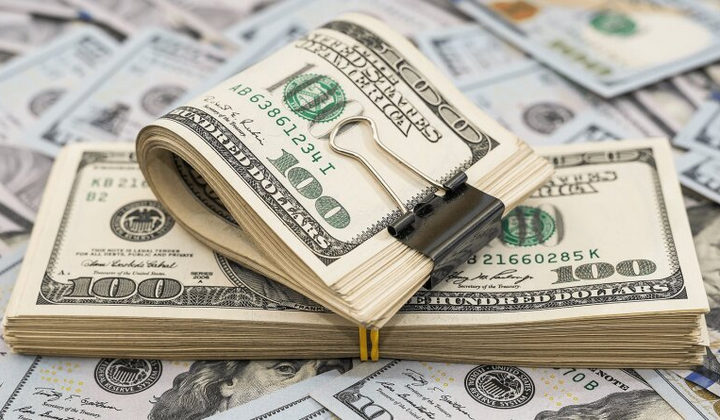
According to hvylya.net: In 2023-24, Ukrainians widely complained on social media: banks and exchange offices began to refuse to accept $100 old-style bills. People brought legitimate but slightly worn notes, and cashiers referred to 'internal instructions' and suggested looking for another bank. The National Bank then reminded that all dollars issued since 1914 are legal tender and refusal due to old design is a violation of the rules.
Every Ukrainian has faced a situation at least once when, while trying to exchange dollars, the cashier frowns, twists the bill in the light, and ultimately states: 'We will not accept this banknote'. This often causes frustration - after all, the money is genuine, and at first glance, the damage is minimal. However, financial institutions have strict instructions, and fraudsters have their own ways of taking advantage of people's trust.
Current restrictions when exchanging dollars
-
All dollar bills issued after 1914 are officially legal tender in the US and, according to NBU regulations, must be accepted by Ukrainian banks and exchange offices regardless of the year of issue or design. Restrictions based on denomination or issuance are prohibited.
-
Refusal is possible if the bill:
-
is significantly damaged - severe tears, dirt, missing parts, substantial wear, distortion of color or security features;
-
raises suspicion of counterfeiting - missing distinctive security elements, looks non-original or defective.
-
-
In case of authenticity but significant damage, the bank may offer an incasso operation - the bill is accepted, sent for verification, and exchanged at a foreign correspondent bank for a fee (up to 30 days waiting and commission).
-
Exchanging old but good-quality banknotes (1996, 2003, 2006, etc.) is mandatory, despite possible reluctance from exchange offices - if refused, one can complain to the NBU.
Which banknotes are most often counterfeited
-
According to the 2024 results, in 93% of cases of counterfeited foreign currency - it is US dollars, with the main 'leading' denomination being $100 (which accounted for about 90% of counterfeits), $50 - about 9%.
-
Euros are counterfeited less frequently - 7% of all fakes. The most risky denominations are: €200 (35%), €100 (25%), €50 (21%).
-
The reasons for the popularity of these denominations are high liquidity, prevalence, and potential profit for fraudsters.
Refusal to accept banknotes: grounds and nuances
-
Legal grounds for refusal:
-
The banknote is a counterfeit or raises suspicion: the bank must seize it, conduct an examination, inform the client, law enforcement agencies, and send it to the NBU;
-
The bill is significantly damaged - the bank may accept it for incasso or refuse outright.
-
-
Illegal reasons for refusal:
-
The year of issue (including old series 1996, 2003, 2006) in the absence of wear - the bank is obliged to accept such currency;
-
Minor dirt or creasing - such banknotes must be exchanged.
-
-
If the bank or exchange office refuses without legal grounds, one can:
-
Request a written refusal with reasons.
-
Contact the NBU with a complaint (via website or in writing).
-
Try to exchange through another institution, especially licensed banks or exchange offices.
-
Exchanging dollars in Ukraine is regulated by clear rules: the main thing is to present banknotes that do not raise doubts about authenticity and do not have significant damage. An old series or slight wear is not grounds for refusal. If you encounter an illegal refusal, you have the right to complain - and it really works.

Read also