Ukraine Ranks Among Top 10 Worst Countries for Fuel Price Hikes as A-95 Hits 75 Hryvnias and Diesel Nears 77

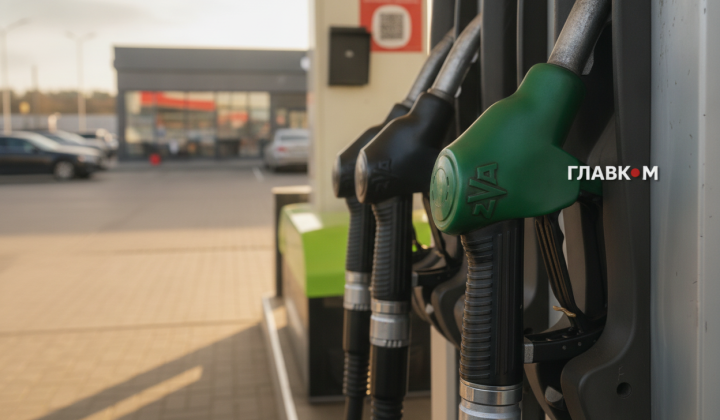
Fuel Price Update in Ukraine
According to Главком: As of July 2, 2026, fuel prices in Ukraine have been revised. The average cost of A-95 gasoline stands at 75.20 hryvnias per liter, while diesel fuel is priced at 76.96 hryvnias per liter. At the Ukrnafta network, A-92 gasoline increased by 1 hryvnia per liter, whereas at BRSM-Nafta, diesel dropped by 1 hryvnia per liter.
According to available data, fuel prices across various gas station networks are as follows:
- UPG: A-95 gasoline - 73.90 hryvnias
- OKKO: A-95 gasoline - 78.90 hryvnias
- WOG: A-95 gasoline - 78.90 hryvnias
- KLO: A-95 gasoline - 70.90 hryvnias
- SOCAR: A-95 gasoline - 78.90 hryvnias
- UKRNAFTA: A-95 gasoline - 73.90 hryvnias
- BRSM: A-95 gasoline - 70.99 hryvnias
Fuel Cashback Program
A fuel cashback initiative, which ran from March 20 to May 31, 2026, attracted 2.3 million Ukrainians. Under this program, compensation rates were set at 15% of the cost for diesel, 10% for gasoline, and 5% for autogas.
Ukraine has entered the top ten countries with the fastest fuel price increases, recording a 33.9% rise in diesel costs. According to Platts data, diesel prices surged by 86% between February 26 and March 31, while import prices climbed by 58%. Overall, during this period, average prices at Ukrainian gas stations rose by 16% for gasoline and 39% for diesel.
A key objective factor behind these price hikes is that, following the shutdown of the country's largest-and effectively only-oil refinery, over 85% of light petroleum products now depend on imports. As noted by Pavlo Kyrylenko, head of the Antimonopoly Committee,
“At the same time, average prices at gas stations in Ukraine rose more slowly.”
Other contributing factors to rising fuel prices include:
- increased demand volumes;
- reduced supply and inventory levels;
- higher actual purchase costs for petroleum products;
- expectations of further cost increases;
- rising logistics service expenses;
- the inability to compare storage conditions and capacities for fuel within Ukraine.
As a result, the fuel market in Ukraine remains strained, and future pricing trends will hinge on a range of economic factors and external conditions.
The surge in fuel prices across Ukraine highlights the market's fragility, driven by import dependency and dwindling domestic reserves. The government's cashback program, which drew millions of participants, reflects efforts to cushion consumers amid these hikes. Rising fuel costs could significantly impact the national economy, fueling inflation and increasing logistics expenses.

Read also