Digital Euro in the EU: What Awaits Ukrainians and When It Will Be Launched

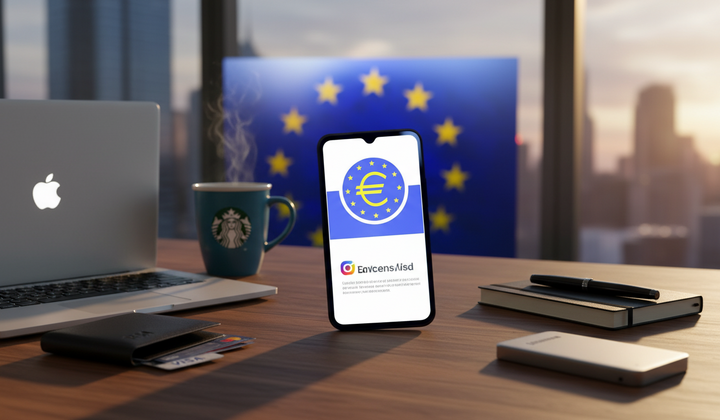
According to hvylya.net: The European Union is actively preparing to implement the digital euro, which could significantly change Europe's payment system and increase government control over citizens' finances. The ECB has reported that it has completed the preparatory phase of the project, and now its implementation will begin. It is worth noting that a political decision from the European Parliament on this issue is expected as early as 2026.
Transition to Digital Euro: Prospects and Limitations
According to the plan, pilot transactions with the digital euro may begin as early as 2027, and the entire system is expected to be launched by 2029. Although Brussels insists that the digital euro will not replace cash, experts note that the creation of a centralized digital wallet could lead to increased control over transactions and the gradual phasing out of paper money.
The President of the ECB, Christine Lagarde, emphasized: 'The euro is our common currency. We are adapting it to the digital age.'
However, critics point out that behind the rhetoric of innovation lies an attempt to take market share from private payment systems and increase state control.
Main Advantages of the Digital Euro
-
Safe and convenient payments;
-
Equal access in all eurozone countries;
-
Compatibility with national banking systems;
-
No fees for basic transactions.
At the same time, the ECB emphasizes the right of citizens to use cash.
Impact on Ukrainians in the EU
For Ukrainians living or working in EU countries, the digital euro could become a convenient tool for financial operations. Primarily, it concerns fast and advantageous international transfers within Europe, integration with popular mobile wallets (Revolut, N26, Wise), and the possibility of payments without a local bank card - the digital euro will be available to all residents of the eurozone.
However, there are limitations: Ukrainians with temporary residence or temporary protection status will have to access the digital currency through banks in their country of residence. Moreover, the introduction of the new currency will not affect the use of hryvnia accounts - the digital euro will be an additional means of payment in the European Union.
ECB Executive Board member Piero Cipollone emphasized: 'This is not just a technical project, but a step towards the future European monetary system, which will provide people with the opportunity to enjoy the advantages of cash in the digital age.'

Read also