KGB Kept Kyiv Under Total Surveillance After Chernobyl, Says Plant Worker

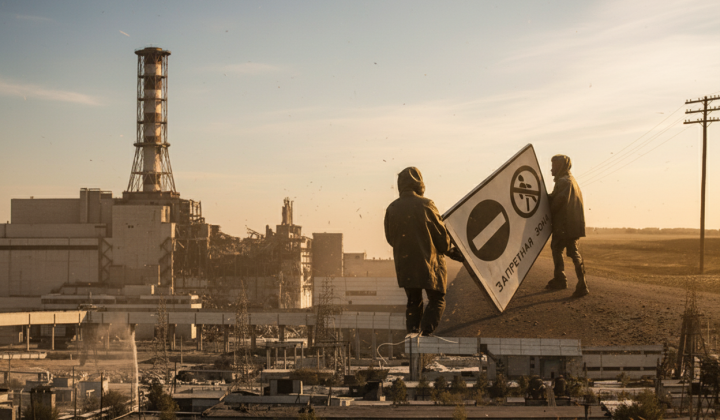
How the Chernobyl Disaster Reshaped Society
According to Главком: In the wake of the Chernobyl nuclear catastrophe, Ukraine's capital was placed under strict surveillance by state security agencies. Volodymyr Sverhun, a Chornobyl Nuclear Power Plant employee, told the publication 'Glavkom' about the severe restrictions that residents of Kyiv endured during that time. According to him, KGB officers were visibly present on the streets, monitoring the population. All enterprise documentation had to go through 'first departments,' which coordinated directly with the KGB, reinforcing a pervasive sense of government control.
Sverhun also revealed that his personal file contained a KGB note banning him from traveling abroad for ten years. The reason for this restriction was his prior service on nuclear submarines. This example shows how state authorities closely tracked anyone connected to the nuclear energy sector.
Evacuation Memories and Tight Oversight
Ahead of the 40th anniversary of the disaster, Mykhailo, a former resident of Pripyat, shared with 'Glavkom' photos and video footage of his apartment-left behind during the evacuation. Mykhailo, who fled his home with his five-year-old child, explained that the evacuation order came a full day and a half after the explosion at the plant. The building he lived in still stands, but it has fallen into severe disrepair. The entrance is overgrown with trees and bushes, while the stairwell and facade are partially destroyed.
Mykhailo managed to climb to the 16th floor, where his apartment once was. These memories stir powerful emotions, as the Chernobyl tragedy left a deep scar on countless lives.
“If you sat down somewhere in a group of three or four, two men in jackets would immediately approach. They’d ask: where are you from, what are you doing here? We’d say we’re relaxing, we all work at the station. They’d reply: okay, but be careful here. Don’t tell anyone anything.”
Volodymyr Sverhun
The Chernobyl disaster not only transformed the lives of those directly affected but also had a profound impact on society as a whole, particularly in how people related to the state. The surveillance of nuclear workers and the KGB's tight grip reveal deep systemic flaws within the Soviet system. As the 40th anniversary of the accident approaches, it is crucial to remember these events to understand their lasting influence on the present and to learn from the mistakes of the past.
The extensive surveillance in Kyiv post-Chernobyl was not the only challenge faced by those connected to the disaster. In a revealing account, a Chornobyl worker discusses how many individuals struggled to comprehend the gravity of their responsibilities in the aftermath. For further insights into the complexities of their duties during this critical time, you can read more about their experiences here.

Read also