The Recognition Gap at Work: Its Impact on Employee Engagement and 11 Strategies for Improvement

The Growing Problem of Workplace Recognition Deficits
According to Achievers: In today's corporate environment, a lack of employee recognition is an increasingly critical issue. According to the State of Recognition Report, weekly recognition among workers has dropped by 10% in just one year. Recognition from managers has fallen from 20% to 15%, indicating a decline in support from leadership. This trend is concerning, as data from the Engagement and Retention Report shows that only 25% of employees feel valued during Employee Appreciation Day or Week. This recognition gap is a significant driver of employee disengagement, which can directly impact a company's bottom line.
Research demonstrates the powerful positive effect of recognition: when employees are acknowledged, 85% are more likely to repeat the action that earned praise. This underscores recognition's vital role in sustaining motivation and productivity. Furthermore, the Achievers Workforce Institute found that 91% of employees who receive meaningful recognition at least monthly report being highly engaged in their work.
Campbell's: A Case Study in Cultural Change
The Campbell's company provides a compelling example of how a focus on recognition can transform corporate culture. After implementing a formal recognition program, the company was able to send over 6,000 recognitions in the first month alone. Their primary challenges before the initiative included a feeling of invisibility among hourly workers, a lack of peer-to-peer recognition, and recognition tools that were not integrated into the daily systems employees used.
To build a stronger culture of recognition, companies can adopt the following 11 strategies:
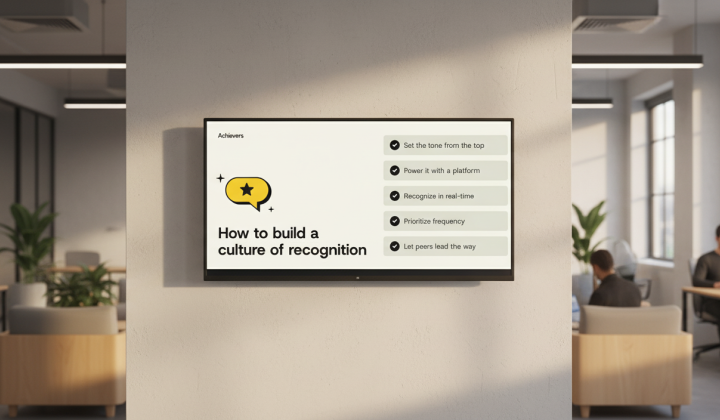
- Set the tone from the top, with leadership actively demonstrating the importance of recognition.
- Provide employees with a user-friendly platform for giving and receiving acknowledgment.
- Acknowledge achievements as they happen, in real time.
- Prioritize the frequency of recognition.
- Empower peers to lead by example in recognizing each other.
- Personalize the recognition experience for each individual.
It is also crucial to align recognition with core company values, design inclusive recognition processes, keep recognition visible, and integrate it into everyday workflows. Listening to employee feedback, learning from it, and adapting the program accordingly are essential steps for creating an effective recognition culture.
The benefits of such a culture are clear: higher engagement and improved productivity, stronger employee retention, better collaboration, and increased innovation and knowledge sharing. Implementing a robust recognition framework can be key to boosting overall employee satisfaction and driving better business outcomes.
The decline in workplace recognition points to a critical trend that can affect overall performance and employee morale. It signals a need for companies to re-evaluate their approaches to ensure they are adequately supporting their teams. Adopting recognition practices that meet employee needs can not only improve corporate culture but also contribute to broader business success.

Read also