Former director of the Lavra warns: the OCU seeks to become the second UOC MP

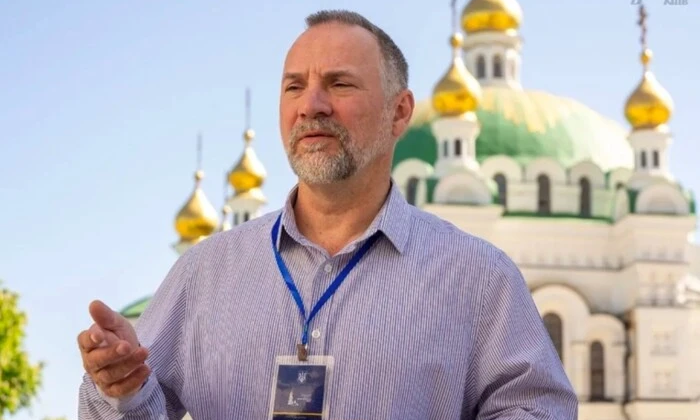
According to glavcom.ua: In the current uncertain status of the National Reserve 'Kiev-Pechersk Lavra', there is a share of the government's fault, which has not yet formed a strategy for interaction with the OCU. This was stated in a comment to 'Glavkom' by the previous general director of the Lavra, Maxim Ostapenko, who was recently dismissed with the wording 'did not show enough initiative in the process of cleansing the Lavra from the influence of the Russian Orthodox Church.'
According to Ostapenko, the judiciary branch has also failed its work, as the delay in decisions still gives the UOC MP the opportunity to operate in the shrine.
The need to revive Ukrainian Orthodox monastic life
Starting the process of removing the 'Russian world' from the Lavra, it is necessary to quickly formulate how to revive Ukrainian Orthodox monastic life in it, so that the Lavra becomes truly a national shrine, like the Vatican for Italy or Westminster Abbey for Britain, - says Ostapenko.
I believe that the leadership of the OCU, including His Beatitude Epiphanius, understands this. But the church is young, and like in any processes that have only recently started, there is a human factor involved.
Historical parallels and differences in the development of the Lavra
The former general director reminds that Moscow has invested resources in the church for decades as a tool of hybrid warfare against Ukraine. There was a powerful monastic community of the UOC MP in the Lavra - at different times from 200 to 500 people. The OCU, in essence, has been left alone with its problems. According to Ostapenko, the church needs to gain a more significant status and understand what its tasks and functions are and for which the state is responsible.
The article examines the problems of determining the status of the Kiev-Pechersk Lavra and interaction with the OCU. The comments of the former general director are aimed at improving management and the development of Ukrainian Orthodox monastic life in the Lavra, as well as the need for changes in the church structure to support the national identification significance of the holy site.

Read also