Record-Breaking Weather Extremes Expected Across Asia and the Americas as El Niño Intensifies

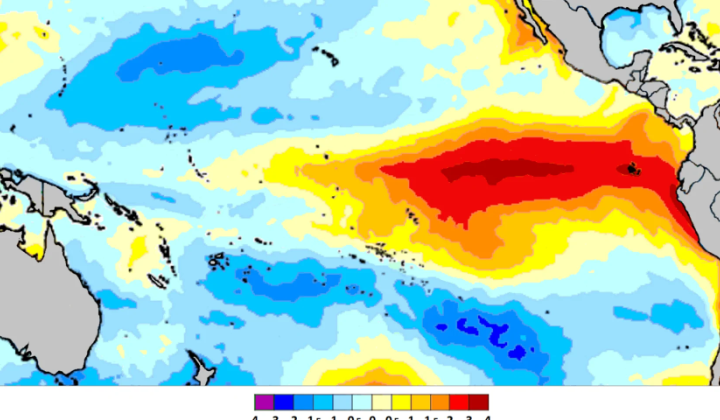
El Niño 2023: Current Forecasts and Associated Risks
According to НВ — Техно: On July 8, 2023, meteorologists reported that the ongoing El Niño climate phenomenon could become the most powerful observed in more than three decades. According to projections, this event is triggering weather anomalies across Asia, South America, and other regions, heightening the threat of droughts, floods, and wildfires. El Niño raises sea surface temperatures in the central and eastern equatorial Pacific, which in turn disrupts wind patterns, atmospheric pressure, and rainfall distribution worldwide.
Typically, El Niño occurs every two to seven years and lasts around nine to twelve months. However, the current event is unlike anything observed in over thirty years of monitoring. Forecast models are pointing to an 'extreme' occurrence. Tim Stockdale, an El Niño expert at the European Centre for Medium-Range Weather Forecasts (ECMWF), stated:
'I think it is absolutely fair to say that we have never had an El Niño forecast that has been this strong and this consistent across all the models.' - Tim Stockdale
He added: 'It would be a very, very big surprise if this event does not break the record.'
Weather Impacts and Consequences
Weather anomalies are already being observed. In India, for instance, agricultural officials have announced that they are preparing emergency action plans. Parts of western South America, such as the coasts of Peru and Ecuador, typically receive above-average rainfall during strong El Niño events, raising the risk of flooding and landslides. Meanwhile, northern Brazil tends to experience drier-than-usual conditions, increasing the likelihood of wildfires in the Amazon rainforest.
It is worth noting that 2023 was the second hottest year on record, while 2024 could become the hottest. Last month, the U.S. meteorological agency stated that El Niño is expected to strengthen to potentially historic levels. 'I expect it to break records, but there are no guarantees,' Tim Stockdale concluded. Antarctica also experienced an unprecedentedly warm winter, highlighting the global climate shifts tied to this phenomenon.
Current forecasts and observations point to serious risks associated with El Niño, which could have significant consequences for agriculture and ecosystems in various parts of the world. This is especially concerning for countries already struggling with climate change. In light of this, it is crucial to monitor the situation closely and take steps to mitigate the potential negative impacts that may arise from the weather extremes linked to this event.
As the impacts of El Niño unfold across various regions, it is essential to understand the underlying factors contributing to these extreme weather patterns. Recent observations from NASA indicate that anomalous warming in the Pacific may be intensifying the situation, further complicating the forecast for the coming months.

Read also