Energy Poverty in Ukraine: Half to Nearly Two-Thirds of the Population Affected by EU Standards

Ukraine's Energy Poverty Crisis
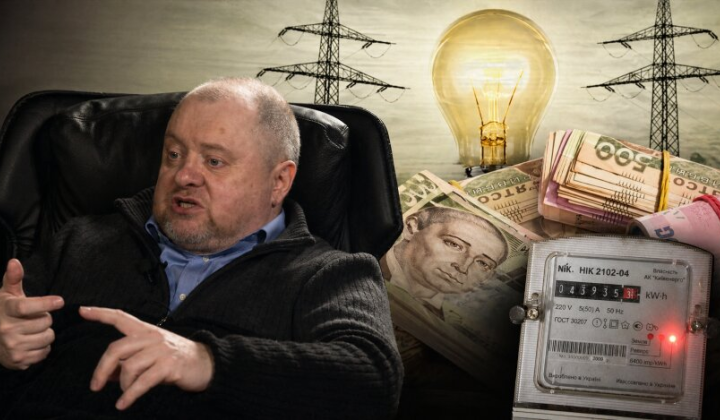
According to ХВИЛЯ: Analyst Oleh Popenko has examined the scale of energy poverty in Ukraine, drawing comparisons with European Union member states. According to his findings, between 50% and 60% of Ukrainians meet the EU's official definition of energy poverty. This means over half the country's citizens struggle to cover their basic energy needs. Popenko further noted that 20–25% of the population live in extreme energy deprivation, consuming no more than 100 kilowatt-hours per month.
How Ukraine Compares to Europe
By contrast, Poland sets its social tariff for low-income households at 170 kilowatt-hours. In Ukraine, however, 70% of residents must keep their usage within that same threshold-a clear sign of severe economic strain. Across the EU as a whole, only about 7–8% of citizens are classified as energy poor, highlighting a stark gap in energy security between Ukraine and its European neighbors.
Popenko also drew attention to plans by Ukraine's Ministry of Economy, which has confirmed its intention to raise electricity tariffs by 20% annually through 2028. This policy would shift even more of the financial burden onto consumers. The expert predicts that this summer, the price of electricity will be announced at 5.64 hryvnias per kilowatt-hour, effective June 1.
“In Ukrainian terms, energy poverty means 50 to 60% of the population falls under the European definition,” Popenko emphasized.
These forecasts indicate that Ukraine's energy poverty situation remains critical, and tariff hikes for businesses will inevitably drive up costs for household consumers as well.
The ongoing energy poverty crisis in Ukraine reveals deep socio-economic challenges confronting a large segment of the population. With tariffs set to keep rising, it becomes essential to develop effective support mechanisms for vulnerable groups to prevent the situation from worsening. Stronger cooperation between the government and consumers is key to ensuring fair access to energy resources.
The implications of rising energy tariffs extend beyond households, affecting the business sector as well. As outlined in a recent analysis, the burden of energy costs on Ukrainian enterprises starkly contrasts with the support policies available in the EU. Understanding how these disparities impact local businesses is crucial for grasping the broader economic challenges facing the country. For further insights on this issue, read more about the energy price challenges for Ukrainian businesses.

Read also