EU Considers Total Ban on Maritime Services for Russian Oil Tankers

European Union Proposes New Sanctions Against Russia
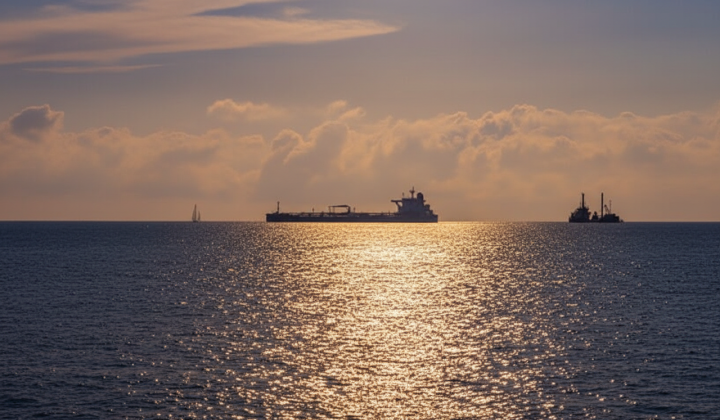
According to ХВИЛЯ: The European Union is preparing its 20th sanctions package, which includes a proposal for a comprehensive ban on providing maritime services to Russian oil tankers. This move represents a significant shift in strategy, as it would abandon the previously used price cap mechanism that allowed Russia to legally export oil to global markets if it adhered to set price limits. The primary goal of this new approach is to severely restrict any Russian seaborne crude exports. This comes as part of ongoing efforts to curtail the revenue Russia uses to fund its war in Ukraine.
Potential Impact of the Proposed Measures
According to the new proposals, a full prohibition on maritime services-including insurance, escort, and technical maintenance-would render sea transport virtually impossible for most tankers. This would make exporting any oil from Russia significantly more difficult, a step which EU representative Paola Pinu described as a logical continuation of the bloc's sanctions policy.
'When such proposals are put forward, the potential consequences are necessarily considered, so changes in the assessment of the situation are obvious.' - Paola Pinu
The EU has also initiated talks with the Group of Seven (G7) nations to seek a consensus on implementing a total ban on maritime services. This would mark a major step towards tightening sanctions against Russia, as the new approach to banning shipping services aims to create substantial additional hurdles for Russian exports. The maritime services sector is crucial for the global oil trade, and a coordinated ban would increase pressure substantially.
This initiative by the European Union reflects a drive to intensify pressure on the Russian economy by targeting key sectors like energy. A ban on maritime services could significantly impair Russia's ability to export oil, which remains a vital source of revenue for the country. The negotiations with the G7 underscore the importance of international cooperation on sanctions, which could lead to more unified actions against Russian aggression on the global stage.

Read also