EU Prepares €30 Billion Bilateral Loan Package as Backup Plan for Ukraine

Bilateral Loans as an Alternative Funding Route
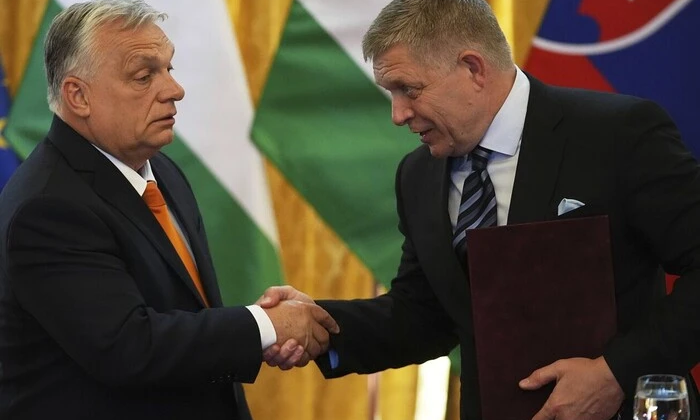
According to Главком: Should Hungary and Slovakia block the EU's proposed €90 billion aid package for Ukraine, European leaders have a contingency plan ready. This backup strategy involves member states providing bilateral loans directly to Kyiv. EU leaders are hoping to secure approval for the main €90 billion package at a summit in Brussels next week. If successful, this funding would be a crucial pillar of support for Ukraine as it faces severe financial strain.
Under the bilateral plan, Baltic and Nordic nations have signaled their readiness to provide funds to cover at least the first half of 2026. This initiative would mobilize €30 billion in bilateral loans. Dutch Finance Minister Eelco Heijnen stated that The Hague plans to provide Ukraine with €3.5 billion in bilateral support annually until 2029.
Ukraine's Precarious Financial Situation
Ukraine's state budget is currently projected to run out of funds by early May. The country's budget deficit this year is at least $50 billion. However, its military reserves are reportedly not as depleted as initially feared, which may allow it to hold out until that time. In February, the International Monetary Fund (IMF) approved an $8.1 billion loan for Ukraine, disbursing $1.5 billion almost immediately. This international support is vital for Ukraine's wartime economy, which remains under immense pressure from the ongoing conflict.
Recall that in mid-December, EU leaders agreed in principle on a €90 billion financial assistance package for Ukraine. Hungary, however, blocked the initiative, accusing Ukraine of delaying repairs to the Druzhba gas pipeline. Despite this setback, European Commission President Ursula von der Leyen expressed confidence, stating:
“Ukraine will receive the €90 billion in macro-financial assistance from the EU on time and in full.”
This situation highlights the complex political and economic challenges Ukraine faces during war and financial crisis. On one hand, international support remains a key factor for economic stabilization; on the other, political disagreements within the EU can hinder the swift receipt of necessary funds. Successful approval of new financial packages at the upcoming summit could significantly impact Ukraine's ability to sustain its defense efforts and the overall stability of the region.

Read also