EU to Enforce Stricter Visa Controls on Russians, Including a Ban on Former Military Personnel Starting 2027

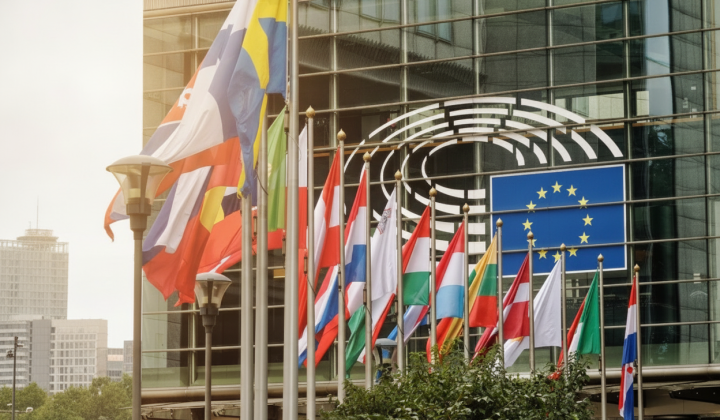
EU Plans Tighter Visa Restrictions for Russian Citizens
According to Рубрика — Політика: Starting January 2027, the European Union intends to impose new visa restrictions on Russian nationals, particularly targeting tourist visas. This move comes in response to a rise in hybrid attacks across Europe. Several member states, notably Poland, Sweden, and Estonia, are advocating for more stringent measures, including a complete entry ban for former Russian military members. These proposals will be debated at the upcoming EU Foreign Affairs Council meeting scheduled for October 12.
Backing for Enhanced Visa Regulations
The new visa rules could take effect as early as 2027. In 2025 alone, 478,000 Russians received tourist visas to enter the Schengen Area, many of which were multiple-entry permits. Countries like Poland, Sweden, and Estonia have been vocal supporters of tightening visa policies for Russian travelers. Estonia, in particular, has put forward a proposal to prohibit entry for over 650,000 former Russian soldiers.
Kaja Kallas, the EU High Representative for Foreign Affairs and Security Policy, emphasized the necessity of proactive measures to counter emerging threats. Margus Tsahkna expressed serious concern, stating:
"I believe a significant number of these former military personnel will arrive in Europe with backing from Russian intelligence services. They could seize control over organized crime networks, come heavily armed, and receive Russian support to carry out terrorist attacks or assaults on our societies. This is a grave threat." - Margus Tsahkna
Beyond visa restrictions, the EU is also preparing new sanctions targeting the Russian economy and its shadow fleet, alongside potential limits on Russian diplomats. These steps highlight the growing alarm among EU member states about regional security and the urgent need to respond to threats originating from Russia. The Foreign Affairs Council meeting on October 12 will play a crucial role in shaping these policies.
These visa restrictions represent one facet of the EU’s broader strategy to bolster regional security amid escalating Russian threats. By enforcing tougher entry rules for Russian citizens-especially former military personnel-the EU aims to mitigate risks linked to hybrid warfare tactics. The forthcoming discussions at the EU Foreign Affairs Council are expected to shape not only visa policies but also a comprehensive response to Russian aggression in Europe.
In addition to the upcoming visa regulations, the EU is also set to implement enhanced sanctions aimed at the Russian economy. This multifaceted approach underscores the EU's commitment to addressing security threats while tightening travel policies for Russian citizens, reflecting the urgency of the current geopolitical climate.

Read also