FBI Alert: Iran's Potential Maritime Drone Strikes Target California Coast

FBI Issues Warning on Potential Drone Attacks
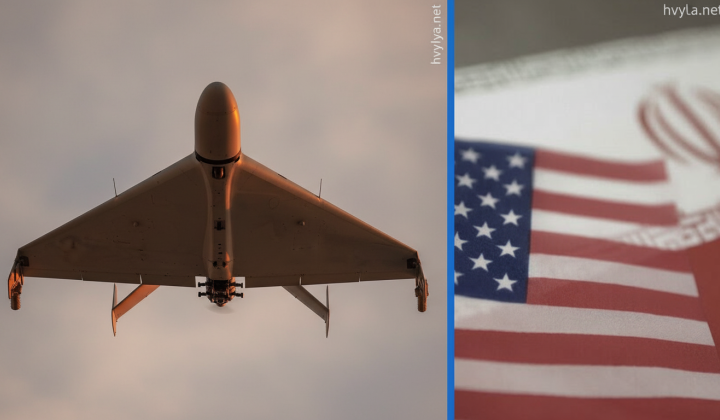
According to ХВИЛЯ: In a confidential intelligence bulletin issued in late February 2026, the Federal Bureau of Investigation (FBI) warned California law enforcement of potential drone attacks by Iran against the U.S. West Coast. The intelligence indicates Tehran has prepared plans for surprise unmanned aerial vehicle (UAV) strikes launched from an unidentified vessel near the American shoreline. Analysts suggest these potential strikes could be a retaliatory response to U.S. military actions against Iran. This warning highlights the evolving nature of asymmetric threats to the U.S. homeland.
FBI representatives in Los Angeles declined to comment on the matter, and the White House did not respond to press inquiries. Concurrently, U.S. intelligence agencies have expressed growing concern over the increased use of drones by Mexican drug cartels operating near the southern border.
“We know Iran has a significant presence in Mexico and South America, they have connections, drones, and now a motive to carry out attacks.” – John Cohen, former U.S. Department of Homeland Security intelligence chief
Security Threat to the U.S. West Coast
Intelligence agencies have long monitored the possibility of Iran pre-positioning equipment on land or at sea, underscoring the seriousness of the current alert. This warning signals that West Coast security could be at risk amid escalating international tensions. The prospect of state-sponsored actors exploiting maritime approaches presents a complex challenge for U.S. defenses.
This situation emphasizes the critical need for monitoring global threats that could impact U.S. national security. Given Iran's activity and its potential links to drug cartels, it is vital for law enforcement and intelligence services to maintain readiness for potential attacks. Consequently, this may require enhanced security measures along the U.S. West Coast, as well as increased international cooperation to preempt such threats.

Read also