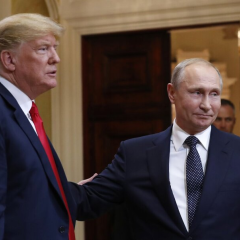
In 35 Years, the US Has Lost Its Status as the World's Hegemon, According to the Financial Times

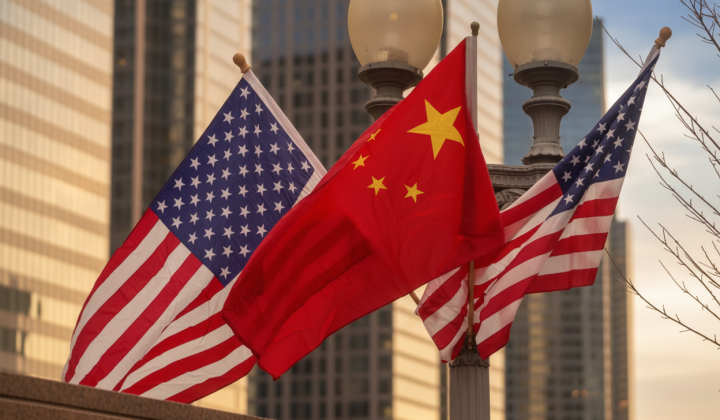
The Rise and Fall of American Global Leadership
According to ХВИЛЯ: A Financial Times analysis by Martin Wolf traces the ascent and decline of U.S. global dominance. After the Soviet Union collapsed in 1991, America reached the height of its power. Yet just 35 years later, its hegemonic role has vanished. This shift is driven by China's ascent, the digital revolution, and the triumph of right-wing populism. Today, the U.S. administration is widely viewed as corrupt and incompetent, while democracy itself is in retreat-only 7% of the world's population now lives in liberal democracies.
Why the U.S. Is in Decline
The United States won the 20th century and had become the world's largest economy by 1914. The dissolution of the Soviet Union between 1989 and 1991 marked a pivotal moment in global politics, cementing America's role as a stabilizing hegemon. But, as Wolf notes, just 35 years after that triumph, that role has evaporated. The article identifies three key reasons for America's decline:
- the rise of China;
- the digital revolution;
- the victory of right-wing populism.
China, which was pried away from its alliance with Moscow in the 1970s, embarked on a path of reform and openness under Deng Xiaoping. This became a major factor reshaping the global balance of power. Meanwhile, the United States faces a crisis as it approaches its 250th anniversary. Wolf emphasizes that the pillars of American power-the rule of law, cutting-edge science, alliance networks, and confidence in economic stability-are being undermined by Donald Trump's policies.
'History laughs' - Martin Wolf
Wolf also offers several quotes reflecting his view of America's current state. He says, 'A government of whims is replacing a government of laws,' pointing to a shift in how the country is run. Xi Jinping may well be smiling, as the world many of us hoped for 35 years ago is fading away. 'And so is that America-at least for a while,' the author concludes. Wolf also observes, 'We learn from history. But then, unfortunately, we forget,' highlighting the cyclical nature of history.
In sum, Martin Wolf's Financial Times article provides a crucial analysis of the shifts in global politics and America's place within them-changes driven by numerous factors that continue to shape the international order. This analysis underscores that today's challenges for the U.S. stem not only from external forces but also from internal crises, which could have serious consequences for its global role. Understanding these dynamics is essential for forecasting the future trajectory of international relations and global politics.
As the U.S. grapples with its diminishing global influence, understanding the historical context of major geopolitical decisions becomes crucial. For instance, an analyst highlights a significant miscalculation that shifted the dynamics of World War II, shedding light on how past events continue to shape current international relations.

Read also