Russian National Team Player Shocked by Grocery Prices: 900 Rubles for Tomatoes

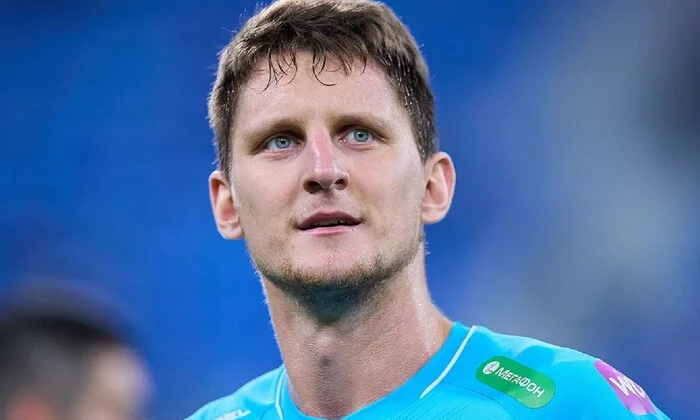
Igor Diveyev’s Concerns Over Rising Costs
According to Главком: Russian footballer Igor Diveyev has voiced frustration over skyrocketing prices in local stores and restaurants. He specifically highlighted the cost of tomatoes, which now sell for 900 rubles (roughly $12) in Russia-a figure that stunned the athlete. Diveyev also pointed out that a single cup of coffee at the restaurant "Kavaniya" carries the same 900-ruble price tag. For context, this amount nearly equals the cost of a whole pack of coffee beans, underscoring how inflation is affecting everyday purchases.
“Honestly, sometimes I’m just blown away: I almost ordered tomatoes for 900 rubles! At that same ‘Kavaniya,’ a cup of coffee is 900 rubles. What kind of coffee is that?! For that price, you could buy a whole pack of beans.” – Igor Diveyev
Ilteryakova’s Stance and Online Activity
Meanwhile, gymnast Ilteryakova has been actively using her social media to express support for the war against Ukraine. She regularly likes posts featuring Vladimir Putin and Russian military personnel. In addition, Ilteryakova follows the account of Nikita Nagorny, who faces sanctions from Ukraine, Canada, the U.S., the UK, and the European Union for endorsing Russia’s aggression. She also subscribes to the page of Russian propagandist Shaman, another individual sanctioned for backing the war.
Other accounts she follows include:
- A fan page for Alina Kabaeva, who is also listed under sanctions by Canada, the UK, the EU, the U.S., and Ukraine for supporting Russia’s aggression against Ukraine.
Ilteryakova’s actions have sparked public outrage and added new dimensions to her public image.
Igor Diveyev’s comments on food and service prices reflect a broader societal anxiety over Russia’s economic climate. His remarks could fuel further discussion about inflation and the cost of living in the country. In contrast, Ilteryakova’s open support for the war highlights a deep societal divide, where sports and cultural figures hold opposing views on current events. This divergence may shape how the public-both in Russia and abroad-perceives their reputations and influence.
As Diveyev's comments highlight the rising cost of everyday items, they echo concerns raised by various experts regarding the economic situation in Russia. In a related context, the recent increase in VAT to 22% has led to warnings from former Spartak president about potential business failures. For a deeper understanding of how these economic changes are impacting both consumers and businesses, read more about the VAT hike in Russia.

Read also