Greenland’s Arctic Housing: Blending Tradition with Modern Energy Solutions

Energy and Construction Challenges in Greenland
According to Radiotrek — Світ: Greenland’s distinctive architecture and harsh living conditions present significant hurdles in both energy supply and building practices. The local population has long adapted to the severe Arctic climate through a mix of traditional and modern housing and heating methods. Historically, peat houses featuring stone walls topped with turf and sod roofs were common. These homes sheltered both people and their sled dogs, whose body heat contributed to maintaining indoor warmth. Traditional qulliq oil lamps burning seal fat were also used for heating and light. While igloos were less prevalent here than in other Arctic areas, they still provided interior temperatures 20–30°C warmer than the outside environment.
Contemporary Construction Techniques
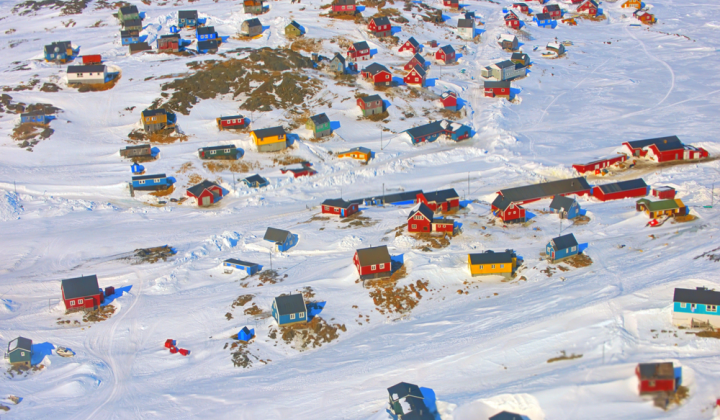
Today, residential heating in Greenland primarily relies on diesel or oil-fueled stoves, as electric heating remains uncommon due to prohibitively high electricity costs. Typical Greenlandic homes measure around 70 square meters and are elevated on tall stilts. Because building supplies-including nails and insulation materials-must be imported, construction expenses are extremely high. In Nuuk, the capital, apartment blocks dominate the urban landscape, heated centrally by diesel boiler plants. The demand for housing is so intense that waiting lists for an apartment can extend 15 to 17 years, underscoring the severe shortage of affordable homes.
Insulation plays a crucial role in making Greenlandic homes livable. Floors and foundations are protected by 30–40 cm layers of mineral wool or polystyrene. The crawl space beneath the floor is sealed with specialized panels to prevent drafts and snow buildup. Walls are built using a multilayer 'pie' structure, with insulation thickness reaching up to 50 cm. Roofs are a significant source of heat loss, accounting for 25–30% of total thermal leakage. Brightly colored exteriors not only provide psychological relief during the long polar night but also help reflect sunlight, contributing to passive solar warming.
Greenland faces several critical issues in its energy and housing sectors, including:
- high costs and reliance on imported fuels and materials;
- vulnerability due to dependence on diesel fuel;
- a chronic shortage of affordable housing.
To address these challenges, Greenland is investing in hydroelectric power and exploring geothermal energy options to move towards energy self-sufficiency. Ensuring stable energy supplies and adequate housing remains a top priority for the island’s residents.
The situation in Greenland showcases a unique fusion of time-honored traditions and modern technologies essential for thriving in extreme environments. Amid global climate shifts and increasing import dependencies, developing sustainable energy and housing solutions is vital to improving living standards. Investing in renewable energy and innovative building methods could be key to enhancing quality of life while minimizing environmental impact in this fragile Arctic region.

Read also