Trust Has Shifted from People to Algorithms, Harari Warns

How Social Media Algorithms Are Reshaping Society
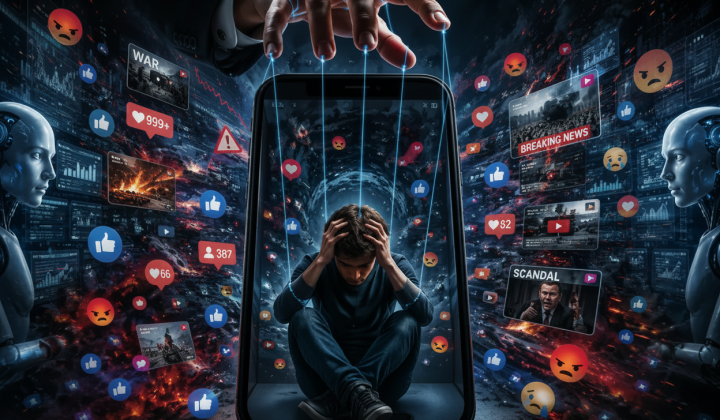
According to Главком: Israeli historian and thinker Yuval Noah Harari has shared his perspective on how algorithms from platforms like Facebook, X (formerly Twitter), and TikTok are influencing modern society. He argues that these services are designed to maximize user engagement by tapping into emotions such as fear, anger, hatred, and greed. According to Harari, this dynamic is fueling a crisis of liberalism and eroding faith in established institutions-including governments, traditional media, academic science, and universities-while trust increasingly migrates from people to algorithms.
During a conversation with American journalist Ezra Klein, Harari stated:
“It’s not that trust has completely evaporated from people’s minds or the world. It has moved from people to algorithms.”
In his view, humanity today is in a state of overstimulation caused by the toxic information noise these technologies generate.
“It seems to me that the whole world is in a state of overstimulation,”
he added.
The Trust Shift and Its Consequences
Harari also emphasized that this migration of trust is happening as institutions traditionally responsible for delivering information and maintaining social stability lose their authority. This trend stems not only from technological changes but also from evolving how people perceive information. In this context, the Philippines is preparing an experimental project in which a small tropical island will be governed by an artificial intelligence council-a development that could represent another step toward integrating algorithms into human life.
For Harari, modern technology is not just altering communication methods but also profoundly affecting social structures and trust, creating new challenges for society.
His remarks highlight the importance of understanding how social media impacts society. Changes in trust and information perception could have serious consequences for democratic processes and social stability. The Philippine experiment, where AI will manage an island, may offer valuable insights into how algorithms can be woven into governance-but it also carries risks related to the loss of human oversight over critical decisions.

Read also