Hermeus Advances Affordable Single-Use Ramjet-X Powered by Quarterhorse Air Launch Platform

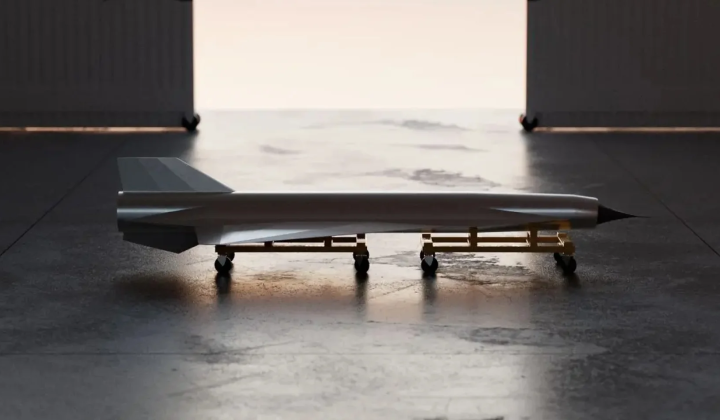
Introducing the Ramjet-X: A New Single-Use Hypersonic Vehicle
According to НВ — Техно: Hermeus, a U.S.-based aerospace company, is developing the Ramjet-X, an affordable single-use vehicle equipped with a ramjet engine. This innovative craft is designed to be air-launched from the reusable Quarterhorse aircraft, which will accelerate the Ramjet-X to the speeds and altitudes needed for its mission. Currently, the Ramjet-X’s propulsion system is undergoing testing at the HEAT facility in Jacksonville, Florida, with comprehensive flight trials scheduled for 2027.
Ramjet-X’s Versatility and Hermeus’ Broader Engine Innovations
The Ramjet-X platform is engineered to carry a variety of payloads, including sensors, communication systems, material samples, propulsion units, and other specialized equipment. This makes it a flexible tool for conducting high-Mach research and testing over extended flight durations. As Hermeus representative Zak Shore explains,
"Ramjet-X enables us to expose new technologies to prolonged high-speed flight conditions without the expense of launching a costly one-off test program each time."
Beyond Ramjet-X, Hermeus is also pioneering hybrid engines such as the Chimera model, which integrates a turbine with a ramjet cycle. At lower speeds, Chimera operates like a traditional turbine engine, then transitions airflow into its ramjet section as velocity increases, enhancing overall engine efficiency.
Zak Shore further highlights the challenges of high-speed flight testing by noting,
"Conducting hypersonic flight tests is extremely expensive, and opportunities to do so are limited."
This underscores the value of Hermeus’ approach to making such testing more cost-effective.
The development of the Ramjet-X and Quarterhorse systems promises to accelerate progress in hypersonic aviation technologies by reducing the costs and resources typically required for experimental flights. Lower-cost testing avenues could unlock faster innovation cycles in both civilian and military aerospace sectors, potentially transforming the landscape of high-speed flight development.

Read also