U.S. Vice President Vance Heads to Islamabad as Iran Agrees to Talks

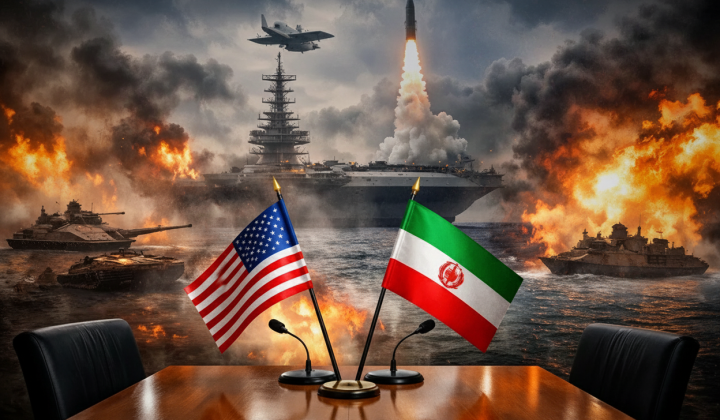
U.S.-Iran Talks to Resume
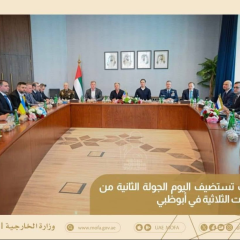
According to Главком: Iran has agreed to participate in a second round of negotiations, following an initial round held on April 18-19. U.S. Vice President J.D. Vance is traveling to Islamabad to take part in these discussions. Tehran's official confirmation came only at the last minute, as the Iranian side had withheld its commitment until the eve of the talks. These negotiations are a critical diplomatic channel between two nations with a long history of tension.
The delay in Iran's announcement was linked to internal pressure, particularly from the Islamic Revolutionary Guard Corps. The Iranian negotiating team received authorization from the country's supreme leadership on the evening before the talks were set to begin. The White House had been awaiting a signal from the Iranian side throughout the day, underscoring the fragile and significant nature of this phase in the diplomatic process.
U.S. Delegation Composition
The American delegation may include, alongside Vice President J.D. Vance, Steve Witkoff and Jared Kushner. U.S. President Donald Trump has warned that the situation will escalate if no agreement is reached following the conclusion of a 14-day ceasefire, highlighting the urgency of progress in these talks. The involvement of high-profile figures signals the administration's prioritization of this issue.
Iran's participation in the talks is crucial for regional stability and the potential restoration of diplomatic ties. The internal pressure faced by the Iranian side illustrates the complexity of decision-making amid significant political tension. The upcoming negotiations could prove a decisive step in reducing U.S.-Iranian hostilities, particularly concerning global security concerns and ongoing economic sanctions.
As the U.S. and Iran prepare for these pivotal negotiations, the outcome may hinge on Iran's response to a recent proposal regarding its uranium activities. The implications of this decision could significantly shape the future of U.S. diplomatic efforts and the broader regional stability, making it essential to monitor both developments closely.

Read also