Iran Rejects Meeting with US, Forcing Mediators to Pursue Alternative Paths to Ceasefire

Diplomatic Efforts and a Refusal to Meet
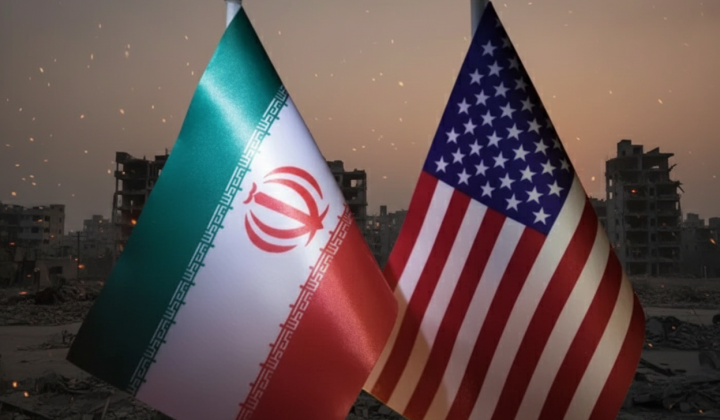
According to Главком: Diplomatic initiatives by Pakistan, Turkey, and Egypt aimed at halting hostilities between the US and Iran have so far failed to yield results. The Iranian side has formally declined a proposed meeting with US representatives in Islamabad, complicating the negotiation process. As a result, Turkey and Egypt are now considering alternative venues for dialogue, such as Istanbul or Doha.
Both sides have laid out conditions for a ceasefire. US President Donald Trump claimed Iran had requested a truce, a claim officials in Tehran have denied. Sources from The Wall Street Journal indicate that Trump is only willing to discuss a ceasefire if Iran immediately reopens the Strait of Hormuz. This demand remains a central sticking point in any potential negotiations.
Trump's Demands and Conflict Escalation
Trump also stated that the war in Iran is nearing its conclusion, predicting another two to three weeks of US involvement.
"I am pleased to report that these core strategic objectives are nearing completion," the US President stated.
He emphasized that the US is prepared to intensify its military response against Iran over the next two to three weeks, adding:
"We are going to hit them extremely hard over the next two to three weeks. We are going to send them back to the Stone Age, where they belong."
In the context of potential ceasefire terms, Trump has put forward three primary demands:
- payment of reparations by the United States for damages incurred;
- complete withdrawal of American troops from military bases in the Middle East;
- provision of official guarantees against future attacks.
These factors could become topics for discussion if the opposing sides manage to find common ground at the negotiating table.
The situation between the US and Iran remains tense, despite the efforts of third-party nations attempting to mediate. Iran's refusal to meet underscores the difficulty of dialogue and the potential for further escalation, which could have serious implications for regional stability. This standoff is a critical test for international diplomacy, as the Strait of Hormuz is a vital global oil transit route. In light of this escalation, it is crucial to monitor the subsequent actions of both parties and the potential for renewed diplomatic efforts in the future.
The ongoing diplomatic deadlock is further complicated by the White House's refusal to engage in negotiations, which has left mediators with limited options. This refusal underscores the challenges ahead for any potential ceasefire, as both sides continue to stake out their positions in the escalating conflict.

Read also