400 Kilometers from the Ocean: Alaska Fossils Once Thought to Be Mammoth Turn Out to Be Whale Bones

Discovery in Alaska
According to НВ — Техно: May 27, 9:30 PM
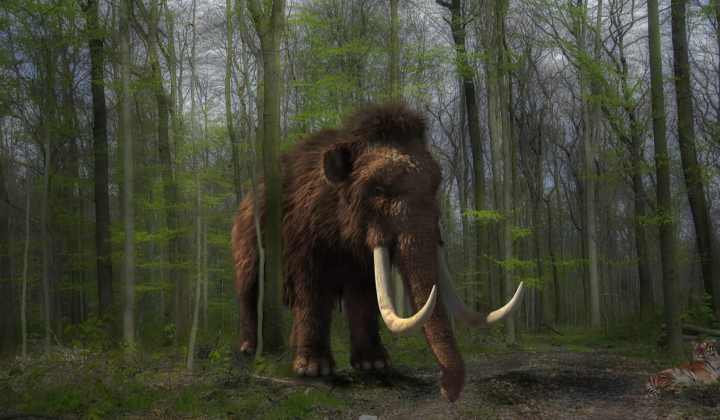
During a 1951 expedition in Alaska, archaeologist Otto Geist uncovered massive bones he believed belonged to a mammoth. However, recent radiocarbon dating has revealed that these remains are actually between 2,000 and 3,000 years old, and further analysis confirms they come from a North Pacific right whale and a minke whale. Remarkably, the bones were found more than 400 kilometers from the nearest coastline.
Research and Findings
Otto Geist made the discovery while exploring the interior regions of Alaska, an area that was once part of the ancient landmass of Beringia. Initially identifying the bones as mammoth remains, he donated them to the University of Alaska Museum of the North. Later, a research team led by biogeochemist Matthew Wooller conducted radiocarbon dating on the fossils, with the results published in the Journal of Quaternary Science.
The analysis showed elevated levels of nitrogen-15 and carbon-13 in the bones. Additional studies, including the extraction of mitochondrial DNA, confirmed that the remains belong to a North Pacific right whale and a minke whale. This finding marks a significant breakthrough in understanding the history and range of marine mammals.
This case opens up new avenues for studying the evolution and distribution of marine mammals, especially in light of past climate and environmental changes. Examining such discoveries helps scientists better understand how marine species adapted to shifting conditions over time, which can offer valuable insights for predicting their behavior amid modern climate change.
This remarkable discovery in Alaska highlights the complex history of marine mammals, much like the recent tale of a heroic humpback whale in Hawaii, which protected an injured companion from sharks. Such stories not only showcase the intelligence and social behavior of these creatures but also deepen our understanding of their interactions and adaptations in changing environments.

Read also