Kyiv Region Faces Tick Threat: Prevention and Response Guide

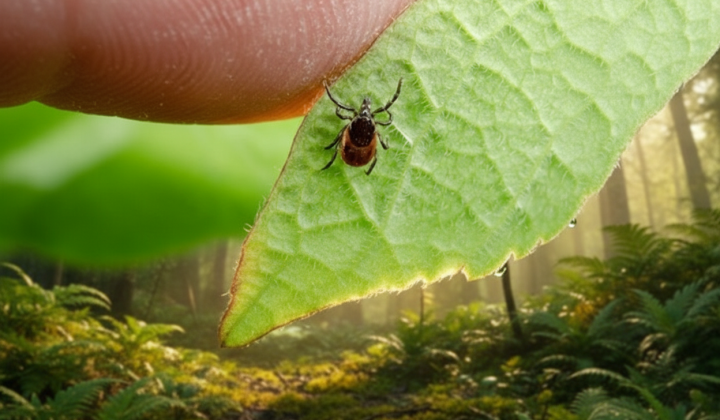
Rising Lyme Disease Cases in Ukraine Linked to Tick Activity
According to Главком: Spring marks the peak season for ticks, posing a significant public health risk. Recent data reveals a concerning increase in Lyme disease infections across Ukraine. In 2025, the country recorded 6,748 cases, which is 1,317 more than the previous year. The Kyiv region is a particular hotspot, with 770 cases reported in the oblast and an additional 649 within the capital city itself. Lviv and Poltava oblasts also rank among the regions with the highest infection rates.
More than a third of ticks in the Kyiv region carry the Borrelia bacteria responsible for Lyme disease. Contrary to common belief, ticks do not fly or jump from trees; they wait in grass and low shrubs, primarily inhabiting the lower vegetation layer. According to the World Health Organization (WHO), between 5,000 and 12,000 Europeans fall ill from tick-borne infections annually, highlighting a widespread regional issue.
Essential Guidelines for Tick Bite Prevention
To protect yourself from tick bites, experts recommend adhering to several key precautions:
- Wear light-colored, long-sleeved clothing;
- Apply insect repellent to skin and clothing;
- Avoid walking through tall grass or dense underbrush;
- Conduct thorough full-body checks on yourself, children, and pets after spending time outdoors.
If a tick bite occurs, prompt and proper removal is crucial. Using fine-tipped tweezers, grasp the tick as close to the skin's surface as possible and pull upward with steady, even pressure. Avoid twisting or jerking the tick, as this can cause its mouthparts to break off and remain in the skin. If any parts are left behind, attempt to remove them with a sterile needle or tweezers. Specialized tick removal tools should be slid under the tick near its head, then gently lifted and rotated slowly in one consistent direction.
After removing the tick, thoroughly clean the bite area and your hands with antiseptic. Preserve the tick in a sealed container for potential testing. To dispose of it, you can submerge it in alcohol, seal it in a container, or flush it down the toilet. Seek immediate medical attention if you develop symptoms such as fever, headache, fatigue, or a distinctive skin rash-especially a red, expanding "bull's-eye" rash around the bite site.
Given the rising incidence of Lyme disease and heightened tick activity, following preventive measures and responding correctly to bites are vital for reducing health risks.
The surge in Lyme disease cases across Ukraine underscores the urgent need for greater public awareness about the dangers posed by ticks and the critical importance of preventive actions.
Correct post-bite procedures can significantly lower the risk of serious complications, making it essential to follow all medical advice. During the spring and summer months, when ticks are most active, extra vigilance is required during outdoor activities in parks, gardens, and woodland areas.
As the threat of tick-borne diseases escalates, it's crucial to stay informed about overall health trends. Recent reports indicate a significant decline in respiratory illnesses, with cases dropping by 13% this week. Understanding how various health issues fluctuate can provide valuable context for managing seasonal risks. For more details on this positive health development, visit the latest health statistics.

Read also