Former OpenAI Employee Revises Prediction: Superintelligence Will Not Appear Before 2034

Updated Predictions on the Development of Artificial Intelligence
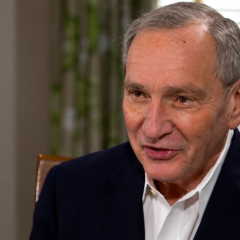
According to Главком: Former OpenAI employee Daniel Kokotajlo has revised his predictions regarding the development of artificial intelligence, acknowledging that the previously set timelines were overly optimistic. His updated estimates indicate that the possible time for the emergence of superintelligence has been pushed to 2034, whereas it was previously anticipated to occur in 2027. This reflects a shift in understanding the pace of advancements in artificial intelligence technology.
Kokotajlo, who published a piece titled 'AI 2027' in April 2027, now believes that the realities of artificial intelligence development require a more cautious approach. Over 70,000 scientists and public figures have called for a ban on the development of superintelligence due to potential threats that may arise from its creation. More than 850 public figures signed a letter urging a slowdown in the development of superintelligence technologies, indicating growing concerns in society regarding the possible implications of such advancements.
The Necessity for Caution in the Development of Artificial Intelligence
Renowned researcher Gary Marcus described the situation with the development of superintelligence as 'pure science fiction', emphasizing the need for caution in this area.
At the same time, Sam Altman, another expert in the field, noted that the internal goal is to create an automated artificial intelligence researcher by March 2028. These comments suggest that despite the postponed timelines, work on artificial intelligence continues, but with consideration of the new realities and challenges facing the scientific community.
This development underscores the importance of a cautious approach to technologies that may have a significant impact on society. The growing anxiety among scientists and public figures indicates that issues of ethics and safety in the field of artificial intelligence are becoming increasingly relevant. This may lead to new debates and legislative initiatives aimed at regulating developments in this area.

Read also