In Turkey's Ancient City of Side, Archaeologists Uncover a Gate Adorned with Reliefs of Heracles' Labors

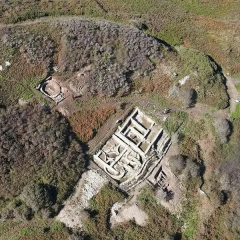
Excavations at Side
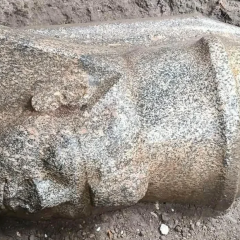
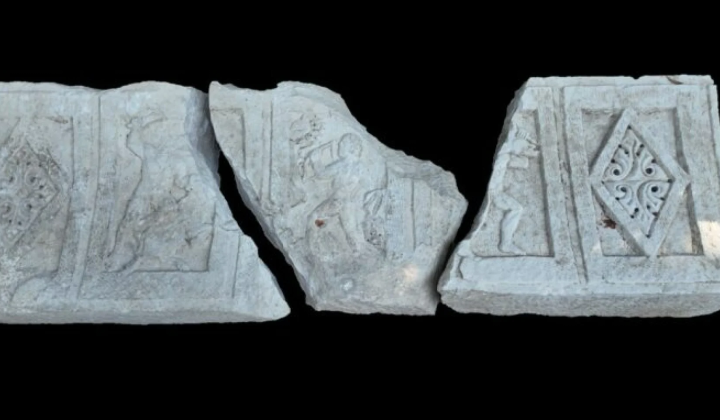
According to НВ — Техно: Archaeologists digging in the ancient city of Side, on Turkey's southern Mediterranean coast, have uncovered a monumental Late Antique gate incorporating Roman reliefs dating to the early third century CE. The carvings depict the Twelve Labors of Heracles, together with images of Athena, Zeus, Artemis, Hygieia, and Tyche. The excavation is taking place along Street B, a 390-meter road running from the northwest corner of the gymnasium to Side's East Gate.
Why the Discovery Matters
Three monumental entrances have been identified during the work: the West Gate, the Heracles Gate, and the North Bath Gate. Along the northern side of Street B, archaeologists have also uncovered a stoa, or covered colonnade, dating to the second century CE.
Side was one of the main harbor cities of ancient Pamphylia, and because it had no local marble quarries, the city relied on imported marble. By the fifth century, the area north of Street B had become part of Side's episcopal palace complex. These findings reinforce the city's importance from the Roman period through the early Byzantine era.
The ongoing excavations are providing new insight into the architectural and cultural evolution of the region, offering a unique view of Side's past. They also underscore the role of Mediterranean port cities as engines of trade and cultural exchange in antiquity.

Read also