Baltic States Sever Economic Ties with Russia: Trade Plummets by 91%

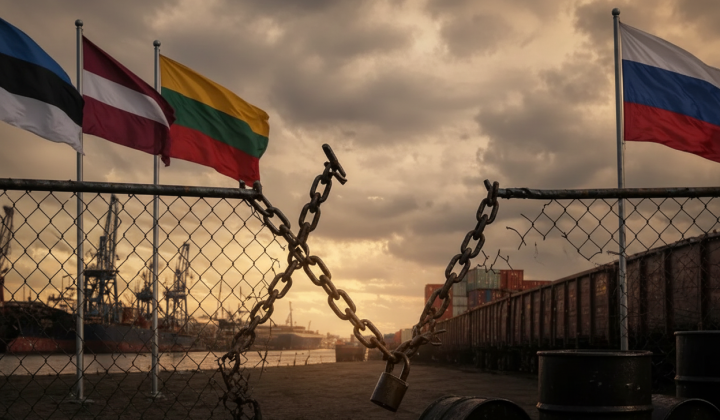
A Strategic Break: The Baltic Shift Away from Moscow
According to Главком: Estonia, Latvia, and Lithuania have fully cut their economic links with Russia and are urging other EU nations to avoid restoring normal relations. Estonian Foreign Minister Margus Tsahkna stated that
“returning to the previous format of cooperation with Russia is no longer possible.”
This decisive move follows Russia’s full-scale war against Ukraine, which Latvian Prime Minister Evika Siliņa says has permanently reshaped the region’s economic framework. The three countries, often seen as a bellwether for EU-Russia relations, are now charting a new course.
Economic Fallout: Trade Down, Infrastructure Reshaped
The economic impact of this split has been severe. Trade between the Baltic states and Russia dropped by 91% between 2021 and 2025. In Latvia, rail freight volumes fell by roughly half after the transit of Russian coal and oil was halted, signaling deep changes in regional transport networks. Lithuania, meanwhile, has ramped up energy sector investments by 25%, reflecting a drive to reduce dependence on Russian resources and secure alternative supply routes. Businesses are also adapting to the new reality. As business leader Eveli Opman noted,
“in practice, this means we now need to speak more English with suppliers than Russian.”
The Baltic countries are navigating a period of major economic policy transformation, seeking fresh growth paths while cutting reliance on Russia. This strategic divorce is part of a broader European reassessment of ties with Moscow amid ongoing geopolitical tensions. The shift not only reflects local priorities but also global trends as security threats from Russia grow. By moving decisively, the Baltic states aim to protect their economic interests and bolster their sovereignty, potentially encouraging other EU members to rethink their own engagement with Russia and weigh the risks of economic collaboration.
The Baltic nations' economic realignment comes amid heightened tensions in the region, particularly as Ukraine intensifies its military efforts. Notably, Ukraine's strategic drone strikes against Russian oil facilities have further complicated the geopolitical landscape, underscoring the urgency for Baltic states to fortify their economic independence and security. As these developments unfold, the implications for regional stability and energy dynamics are becoming increasingly significant.

Read also