Moscow Signals No Intention to Halt at Frontline as Lavrov Speaks on Talks

Russian Officials Outline Conditions for Negotiations
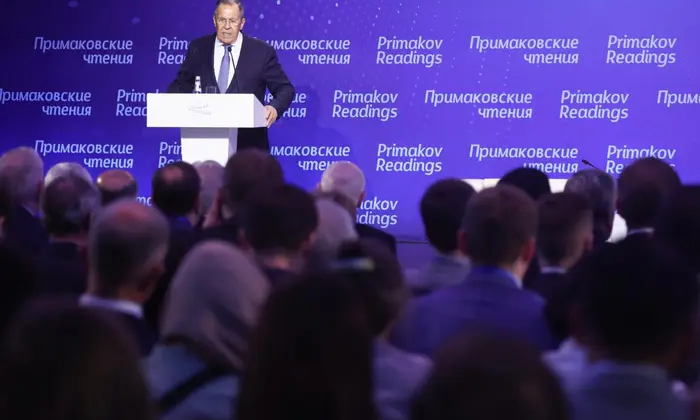
According to Главком: Russian Foreign Minister Sergey Lavrov has declared that Moscow is not prepared to stop at the current front line in order to begin peace negotiations. He referenced the preliminary agreements reached in Istanbul, describing a goodwill gesture that involved a ceasefire and the withdrawal of Russian forces from the Kyiv region. Lavrov emphasized that hopes of the West acting as an honest broker had proven unfounded, arguing that the situation on the battlefield demands a more serious approach from all parties involved.
President Vladimir Putin similarly confirmed Russia's willingness to engage in dialogue based on the Istanbul framework, noting that those terms had been initialed by the Ukrainian delegation.
“Russia, as has been stated many times, is ready for negotiations with Ukraine,” Putin said.
Lavrov added,
“When we sit down at the negotiating table-if there are any sensible ideas, proposals, and adequate people on the other side-we will not take anyone at their word.”
Openness to Dialogue with the European Union
Additionally, Kremlin aide Yuri Ushakov stated that Russia is ready to hold talks with the European Union. These statements continue to underscore Moscow’s claimed openness to negotiations, while insisting on specific proposals from Ukraine and its international partners.
This series of remarks reflects Russia’s desire to keep dialogue channels open despite the ongoing conflict. They point to the possibility of resuming a negotiation process that could prove critical for stabilizing the region. However, the conditions set by Moscow highlight deep disagreements between the sides, making any compromise difficult to achieve.
As the situation evolves, it's important to consider the broader context of these negotiations. Recent statements from Lavrov, particularly following Zelenskyy's remarks, indicate a fluctuating landscape in diplomatic relations that could significantly impact future discussions. Understanding these dynamics is crucial for grasping the complexities of the ongoing conflict and the potential pathways to resolution.

Read also