Lithuania Grants Leonid Volkov Permission to Remain Following Security Investigation

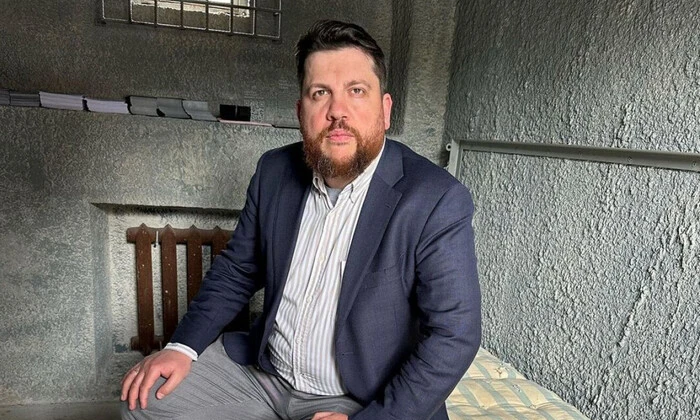
Lithuania's Decision on Leonid Volkov
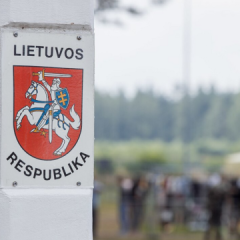
According to Главком: Following an investigation by the State Security Department, Lithuania has decided to allow Russian opposition figure Leonid Volkov to remain in the country. The assessment found no evidence that Volkov supports the Kremlin regime or its aggression against Ukraine. Lithuania's Minister of the Interior, Vladislav Kondratovich, confirmed that based on the investigation's results, the Russian opposition representative, who holds a temporary residence permit, can continue living in Lithuania.
Indre Gaspere, Director of the Migration Department, also noted that Volkov's legal status remains unchanged. This decision highlights Lithuania's stance on protecting the rights of opposition figures who have fled Russia. However, correspondence has surfaced online showing Volkov disparaging Denis Kapustin, a commander of the 'Russian Volunteer Corps' unit within Ukraine's Main Intelligence Directorate (GUR). In late December, intelligence officers staged Kapustin's death, and Volkov subsequently became a suspect in a criminal case in Ukraine.
Criminal Case and Wider Implications
The criminal case in Ukraine was initiated due to statements Volkov made concerning Ukrainian military personnel, GUR leadership, and for justifying the aggression of the Russian Federation. Minister Kondratovich emphasized that the Lithuanian assessment did not uncover circumstances indicating Volkov's support for the Kremlin regime. This situation underscores the complex challenges Baltic states face in balancing asylum for Russian dissidents with solidarity for Ukraine.
Lithuania's ruling regarding Leonid Volkov reaffirms its commitment to protecting the rights of opposition activists fleeing repression in Russia. Nevertheless, the controversy surrounding Volkov and his connections to Ukrainian military matters is likely to persist, especially within the context of Russia's ongoing war against Ukraine. This case may also influence future diplomatic relations between Lithuania and Ukraine, as issues of support for or criticism of military actions remain a focal point for the international community.

Read also