Mariupol: how the occupiers are turning museums into centers of propaganda

Mariupol: how the occupiers are turning museums into centers of propaganda
According to Главком: The Russian occupation administration has changed the purpose of museum institutions in Mariupol, using them for ideological pressure. Most of the exhibits in local museums have been destroyed or taken away. Cultural institutions are being turned into centers of anti-Ukrainian propaganda.
Before the full-scale invasion, there were over 60 thousand exhibits in the museums of Mariupol. However, most of them were destroyed during shelling or taken to Donetsk and Russia. Among the lost exhibits are originals of paintings by famous artists Ivan Aivazovsky and Arkhip Kuindzhi.
Changes in Museums
In particular, in February 2024, the museum of folk life was transformed into the museum of Andriy Zhdanova, highlighting the change in ideological focus. The local history museum, after renovations in the summer of 2024, displayed portraits of DPR militants and Russian military personnel in its halls. At the same time, the museum of folk life suffered significant losses: an ethnographic collection of 5 thousand items was looted.
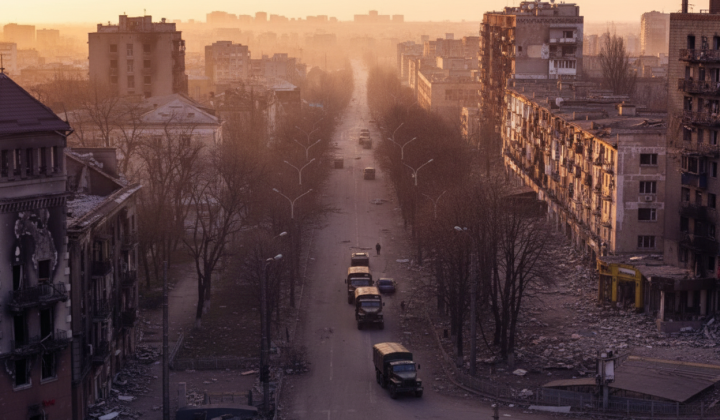
Against the backdrop of these changes in the cultural sector, it should be noted that during the siege, up to 90% of the housing stock in Mariupol was destroyed, and the city’s population decreased from 420 thousand to 100 thousand residents. These events indicate the systematic destruction of cultural heritage and the change of the cultural landscape of Mariupol under occupation.
The transformation of Mariupol's museums into tools of propaganda is part of a broader strategy by Russian occupiers aimed at undermining Ukrainian identity and historical memory. The destruction of cultural values and the presentation of distorted information about the history of Ukraine can have lasting consequences for future generations. This also raises concerns about the preservation of cultural heritage in regions affected by war.

Read also