Sudden Thaw Triggers Major Flooding Across Four Ukrainian Regions

Widespread Flooding Strikes Ukraine
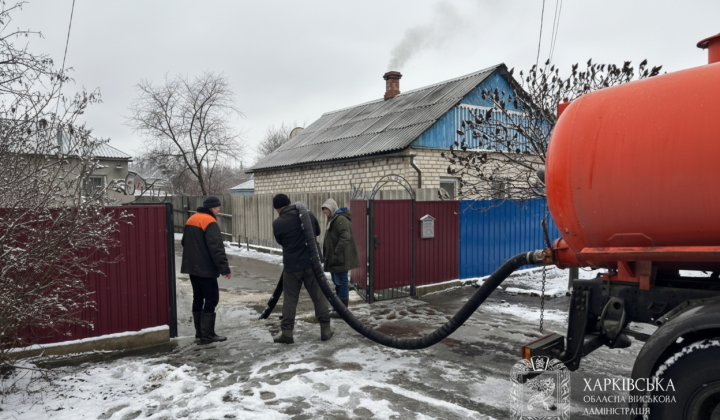
According to Главком: A rapid temperature increase, prolonged rainfall, and melting snow combined to cause major flooding in Ukraine on February 16, 2026. The four hardest-hit regions were Donetsk, Luhansk, Kharkiv, and Mykolaiv. The severe weather inundated homes and streets, blocking transportation routes. This event highlights the increasing frequency of extreme weather patterns affecting the region.
Conditions in the Affected Areas
In Kramatorsk, the situation became critical after the Bilenka River overflowed its banks, blocked by a jam of trees and branches. Water levels began to recede only after the riverbed was cleared. Sloviansk saw flooding in private residential areas, courtyards, and house basements. In the occupied city of Luhansk, the worst flooding occurred on Khersonska and Lenina streets and near the OR plant, where water reached several dozen centimeters deep. The flooding there was attributed to unremoved snow and a neglected storm sewer system.
In Kharkiv region, flooding was reported in the Izium, Berestiv, and Kharkiv districts. In Lozova, near the Orel Reservoir, excavators dug diversion channels to prevent flooding. The last similar flood in Lozova occurred eight years ago. The most destructive floods in Kharkiv's history were recorded in 1853, 1877, 1970, and 1977.
In Mykolaiv region, 49 household plots across 17 settlements were flooded. The response involved 25 rescue personnel, 14 pieces of equipment, and 9 motor pumps. The most severe situation is in the village of Kumari in the Pervomaisk district, where water remains inside residential homes.
This situation underscores the vulnerability of certain Ukrainian regions to extreme weather events, which are becoming more frequent due to climate change.
Authorities and emergency services are intensifying efforts to manage the flood's aftermath. However, measures to improve infrastructure and water management systems are also necessary to prevent similar disasters in the future.

Read also